Ghost stories don’t just scare us – they remind us of historical injustices
Published in News & Features


Along with the pumpkins and costumes, the candles and cobwebs, Halloween is all about storytelling. From tales of haunted houses to accounts of demonic possession, ghost stories are part of the holiday’s appeal.
As a professor at the University of Maine who specializes in ghost stories, I’ve thought a lot about what makes one unforgettable. My field research has taken me from the coast of Maine to the Amazon jungle, but some factors remain constant in an unforgettable tale.
One factor is what I call “creep value,” which includes the scare factor but also the elements of a story that might be simply unsettling or uncanny.
Take, for starters, the ghost of Catherine’s Hill along the Blacks Woods Road in Maine. The story warns that, against all intuition, even a lone driver at night must always stop and offer the phantom woman a ride. If not, as the story goes, she will appear when least expected in the back seat of the car to cause a fatal accident.
But there is more to account for than creep value in an unforgettable ghost story. These stories can keep alive the memory of a dark past. In my research I have come across tales that preserve memories of injustices that might otherwise have been forgotten.
One story, about a ghost ship that can be heard but never seen, preserves the little-known history of the smuggling of enslaved people.
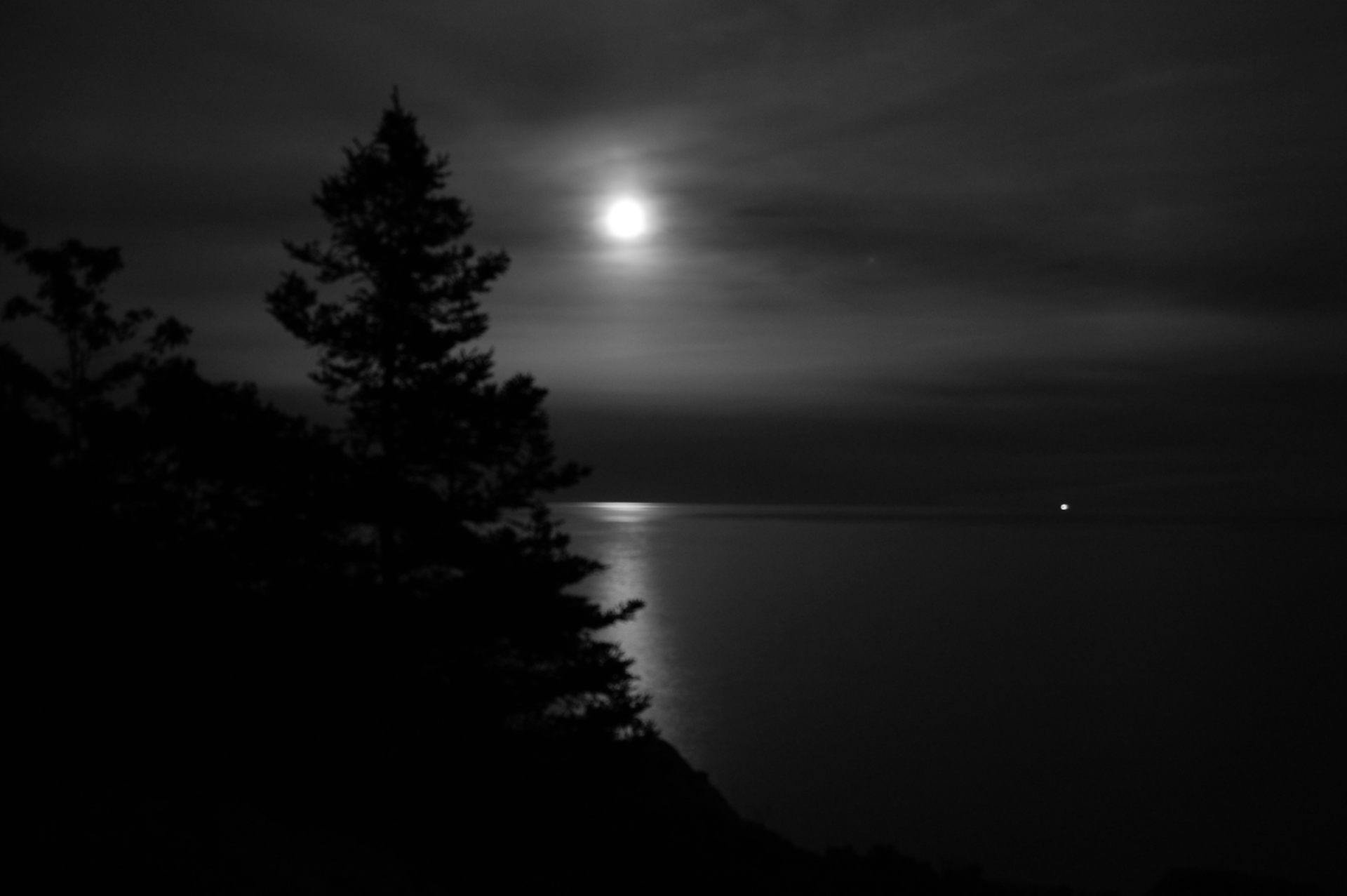
The legend goes that on foggy nights, during the full moon, those standing at the Cooksey Drive Overlook in Seal Harbor, just outside Acadia National Park, can hear the slaves in the hold of a sinking ship crying for help.
The story goes back to the Pride of the Seas, a ship that smuggled enslaved Africans into the United States after the trans-Atlantic slave trade had been abolished but slavery remained legal. The account specifies that the smugglers scuttled the ship to evade the law. In ghost stories that circulate by word of mouth on Mount Desert Island, the screams of those left behind can still be heard.
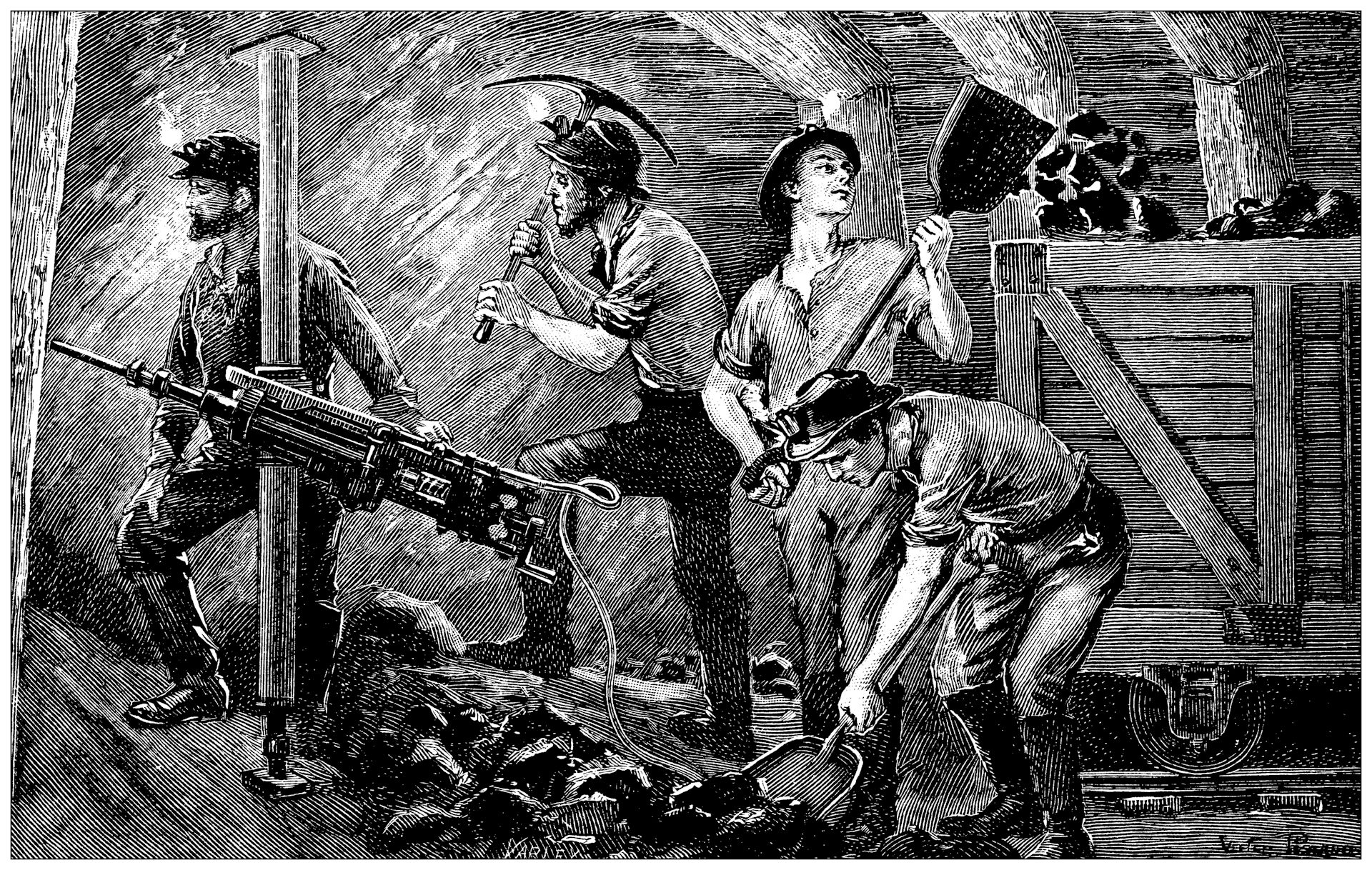
Pennsylvania coal miners offer another example of past grievances passed down in the form of ghost stories. At the sites of deadly accidents, people have reported the sound of a pickaxe or the groans of a dying man. An extensive archive contains multiple accounts of coal miners witnessing ghostly knocking, disembodied voices and apparitions of mangled men. One story involves an innocent coal miner, condemned to death in 1877, who left a handprint in his cell at the Carbon County Jail that no amount of sanding or paint has been able to erase.
Today, it is widely known that coal miners of the 19th and early 20th centuries experienced ruthless exploitation and hazardous working conditions. Years ago, their plight went unrecognized in official histories and government policies, but ghost stories helped keep these experiences in the collective memory.
When I collected ghost stories in South America, the same pattern held true: Some tales preserved history that would otherwise be lost.
In the Amazon jungle of northern Brazil, I traveled to a gloomy site where people, over several generations, have claimed to see the spirits of young men in the murky water. These stories keep alive injustices from the 19th century involving enslavement of Indigenous people. The location was a former sugarcane plantation notorious for cruelty, and accounts of apparitions in the water are a reminder of this history.
In Rio de Janeiro a well-known ghost story involves the apparition of a young girl in a mansion known as the Castelinho do Flamengo. All the accounts of her story agree that this young heiress, named Maria de Lourdes Fernandes, witnessed the deaths of her parents; her guardian then locked her up and drove her to suicide to get her inheritance.
Her soul is said to remain in the mansion she tried to escape. The tale is not just about an individual tragedy but one that exposes inequities involving the mistreatment of juveniles and the corrupting influence of power.
Ghost stories don’t simply recount memories – they can revive them and bring the past back into the present.
The unsolved 1898 murder of a 52-year-old woman, Sarah Ware, in Bucksport, Maine, illustrates how ghost stories can have historical significance and flood the present with the past.
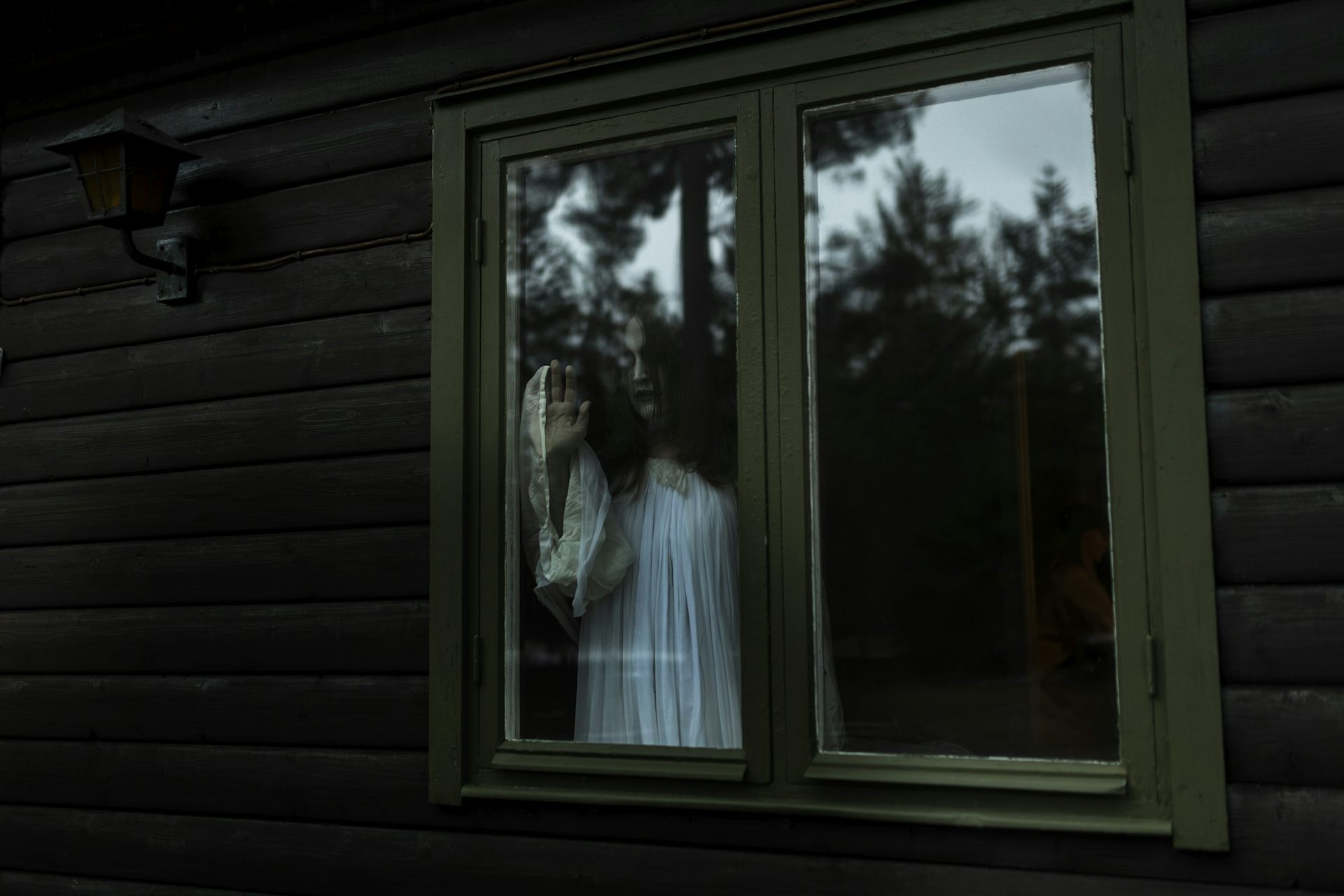
In the 1980s a woman and her daughter began having nightmares about a long-haired woman in a long dress struggling to rise from the bottom of a lake. When they realized they were having the same recurring dream, they partnered with an author, and their research led them to a conclusion that the apparition was the ghost of Ware.
Official records document that when Ware’s body was recovered it was badly decomposed and her head had completely detached. Her head remained in the courthouse until the 1990s, when it was buried in Ware’s grave. According to local lore, however, Ware’s headless body is not in that grave but instead in her original grave, now located at the bottom of Silver Lake. In the oral history of the area, workers moved only the tombstones when they flooded the paupers’ graveyard – the cemetery for the poor – to make a reservoir in the 1930s.
Ware’s ghost is believed to have appeared again in 2006. When a young woman went scuba diving in Silver Lake in Bucksport, she reported seeing a woman in a long dress struggling to rise from the bottom of the lake. When she swam over to help, the figure’s hair floated back with the movement of the water to reveal she was a faceless apparition. The sighting of the faceless ghost revived the history of the unsolved murder all over again.
Ware’s case highlights the violence and injustice and their connection to gender and social class in 19th-century Maine. Missing evidence and recanted testimonies suggest that powerful men might have interfered with the investigation to hide their own complicity in the murder. As an independent woman of the time, Ware was the subject of gossip, and the treatment of her body shows how social class affects even the honoring of the dead. As a ghost story, the history of Sarah Ware is not past but rather part of the here and now.
So when you’re out and about telling ghost stories this Halloween, remember that the unforgettable ones are all about creep value in the context of a dark history that flows back in again like the tide.
This article is republished from The Conversation, a nonprofit, independent news organization bringing you facts and trustworthy analysis to help you make sense of our complex world. It was written by: Marcus Librizzi, University of Maine
Read more:
Boo! How to pick scary books for kids that thrill but won’t haunt for life
The ancient Irish get far too much credit for Halloween
When Halloween became America’s most dangerous holiday
Marcus Librizzi previously received funding from the Maine Humanities Council.







Comments