Supreme Court allows deportation deal decried as collusion
Published in News & Features
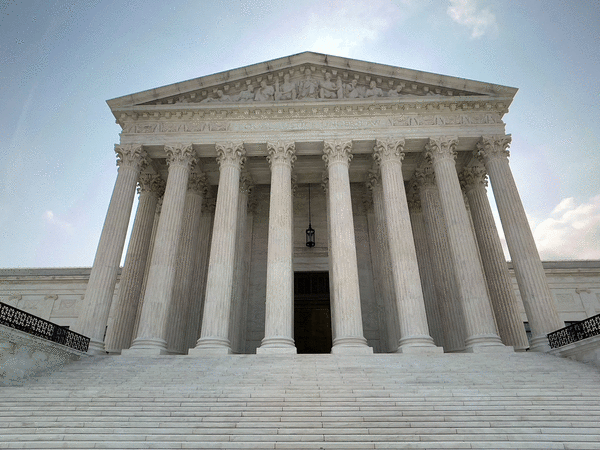
WASHINGTON — The U.S. Supreme Court left in force what opponents call a “collusive” settlement struck by President Donald Trump’s administration and Texas to cut off an avenue for pausing some deportations.
The justices on Tuesday turned away an emergency request from three cities and a legal services provider, which argued the accord was a ploy to eliminate a federal regulation without going through the proper procedures.
The court didn’t give any explanation, and no justices publicly dissented. The high court order will apply while the litigation goes forward.
The disputed regulation lets federal immigration judges pause deportation proceedings in some circumstances, as when a person is separately seeking legal protection as a neglected child or violent-crime survivor.
Texas sued the federal government to challenge the regulation in 2026. The Justice Department immediately said it agreed that a judge should set aside the rule and bar future administrations from adopting anything similar unless Congress first changed the law. U.S. District Judge Reed O’Connor signed off on the settlement the same day.
The suit was filed in Wichita Falls, Texas, where the Republican-appointed O’Connor handles a large percentage of cases. The forum has become a favorite for conservatives because of O’Connor’s history of siding with Texas and the Trump administration.
The cities — Baltimore; Columbus, Ohio; and New Haven, Connecticut — joined Centro Legal de la Raza in asking the Supreme Court to reinstate the rule while they challenged the settlement at the 5th U.S. Circuit Court of Appeals.
“A significant regulation that established certain important procedures in immigration courts was erased over the course of a single day, without meaningful judicial review, public participation, or adherence to the APA’s rulemaking requirements,” they argued. They said the case involved “egregious collusion.”
After the high court acted, the challengers said in a joint statement they were “deeply disappointed that the Supreme Court declined to intervene to prevent the Trump-Vance administration from dismantling longstanding immigration court procedures through a backdoor agreement with Texas.”
The Justice Department didn’t respond to a request for comment on the decision.
The Biden administration adopted the regulation in 2024, formalizing what proponents say was a longstanding practice among immigration judges of administratively closing deportation cases when circumstances warrant. Texas and the Justice Department say the regulation can’t be squared with federal immigration law.
O’Connor said the challengers lacked legal standing to get involved in the case because they weren’t directly enough affected by the settlement. At the Supreme Court, Texas and the Justice Department said that was the right conclusion.
The challengers’ request “attempts to improperly leverage a clear-cut dispute over intervention into a far-reaching attack on the merits of a consent judgment,” US Solicitor D. John Sauer argued. “This court should not allow applicants to put the cart before the horse.”
The case is Baltimore v. Texas, 26a500.
_____
©2026 Bloomberg L.P. Visit bloomberg.com. Distributed by Tribune Content Agency, LLC.






Comments