Neal Justin: 5 reasons everyone is gaga about 'You Can See Everything'
Published in Entertainment News
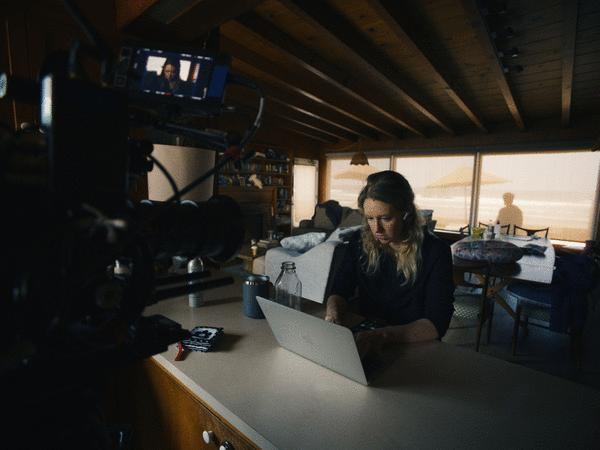
MINNEAPOLIS — Three-hour documentaries are usually restricted to art-house theaters attended by patrons who wouldn’t be caught dead at a “Fast and the Furious” flick.
So how in the world has “You Can See Everything,” an intimate profile of imprisoned businesswoman Elizabeth Holmes, become the most buzzed-about film of the season?
Here are my best guesses:
Brilliant marketing
Surprising modern-day moviegoers is nearly impossible. So give A24, the studio behind “Marty Supreme,” heaps of credit for keeping production of “Everything” a secret for three years, revealing the project at the Telluride Film Festival last month without any advance notice. Opening in less than 900 theaters before going wide this week helped build the excitement.
Most trailers give away way too much of the storyline. The ones for this movie leave you scratching your head — just how long are director/star Nathan Fielder and Holmes going to stare at each other without saying a word??? — and hungry for more.
Fielder is a comedic genius
I don’t think I’ve ever heard Fielder tell a joke. But his Comedy Central series, “Nathan for You,” in which he exposed business scams, had me roaring with laughter. The Canadian filmmaker’s awkward social skills convince his subjects to let their guard down, just enough to reveal their dark sides.
That seems to be true in “Everything,” as he practically becomes part of Holmes’ family during the 34 days before she goes to jail in 2023. He’s a modern-day “Columbo.” Underestimate him at your own risk.
That anti-authority streak must be particularly appealing to young people, who are driving ticket sales to “Everything.” Almost all of the roughly 40 people at the AMC Rosedale matinee I attended Thursday were under the age of 35.
We can’t get enough of Elizabeth Holmes
If Theranos had been invented by a middle-aged man, I might have thought it was the name of an “Avengers” villain.
But the main force behind the blood-testing device was a young, attractive woman with expressive eyes, confidence and hot-nerd appeal, catnip for even those of us who barely got through chemistry class.
The story behind her invention, which ended up not working and leaving investors high and dry, has already inspired an HBO documentary, an Emmy-winning miniseries and a bestselling book. Early success for “Everything” indicates our obsession with her is far from over.
It’s got better twists than “Digger”
By now, you may have heard about the participation of a major movie star and a weird nude scene. But no amount of spoilers can fully prepare you for the way the film keeps forcing you to rethink your alliances.
Is Holmes the victim of men taking advantage of her guile and big heart? Or is Holmes a manipulator on the level of Keyser Söze in “The Usual Suspects?” Is Fielder being played or is he the ultimate puppet master? Questions about whom you can trust linger long after the credits roll.
It’s good
IMDb.com currently lists “Everything” with an average viewer rating of 9.3, a number reserved for classics like “The Godfather” and “The Shawshank Redemption.” There’s even talk of an Oscar nomination for best picture, but don’t bet on it. Just ask the producers behind 1994’s “Hoop Dreams,” the last doc in serious consideration for the honor (no documentary has ever been nominated for best picture).
Fielder and co-director Lance Oppenheim aren’t master filmmakers. There are too many close-ups and a wobbly score that could have been lifted from a B horror movie.
But they are innovative storytellers. The decision to have Holmes analyze Abbott and Costello’s “Who’s on First” routine is both bizarre and genius, providing evidence that Holmes may indeed be clueless about anything not tied to biotechnology. That’s the kind of idea you can’t pick up in film school.
Interest in Fielder and Holmes could fade fast. But I doubt it. It’s more likely that they’ll be long remembered for being main players in one of the most unlikely, and intellectually challenging chapters, in Hollywood history.
———
(Neal Justin is the pop-culture critic of The Minnesota Star Tribune.)
———
©2026 The Minnesota Star Tribune. Visit startribune.com. Distributed by Tribune Content Agency, LLC










Comments