What is a longevity specialist, and should I see one?
Published in Health & Fitness

Q: I’ve been hearing more about doctors who specialize in helping people live longer. What’s involved, and what should I look for?
A: A longevity (or healthspan) specialist focuses on preventing age-related disease and extending healthy years rather than waiting to treat illness once it appears. In practice, that means a strong grounding in lifestyle medicine; close attention to cardiometabolic risks (conditions that contribute to heart and blood vessel disease, such as high blood pressure, high cholesterol, and diabetes) and cognitive risks, long before symptoms appear; and a measured, evidence-based use of newer tools and therapies.
Whether you need to see a longevity specialist depends on your situation. Many people are well served by a good primary care doctor who takes prevention seriously, and that is often the most sensible and affordable path. A dedicated specialist adds the most value if you have complex health risks, a strong family history of certain diseases, or you simply want a more proactive, personalized prevention plan.
Since the longevity field is largely unregulated, it’s important to vet physicians carefully. Look for genuine medical credentials and, ideally, board certification in lifestyle medicine or a relevant specialty. Optimally, longevity specialists will base their approach on proven health fundamentals, treating supplements and experimental therapies as secondary. They don’t promise to reverse aging or label therapies as proven when they aren’t. If someone leads with miracle claims and a product line to match, that’s reason to walk away, not to lean in.
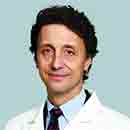
(David Barzilai, M.D., is a contributor to Harvard Health Publications.)
©2026 Harvard University. For terms of use, please see https://www.health.harvard.edu/terms-of-use. Distributed by Tribune Content Agency, LLC.








Comments