
Environmental Nutrition: What’s the deal with gluten-free diets?
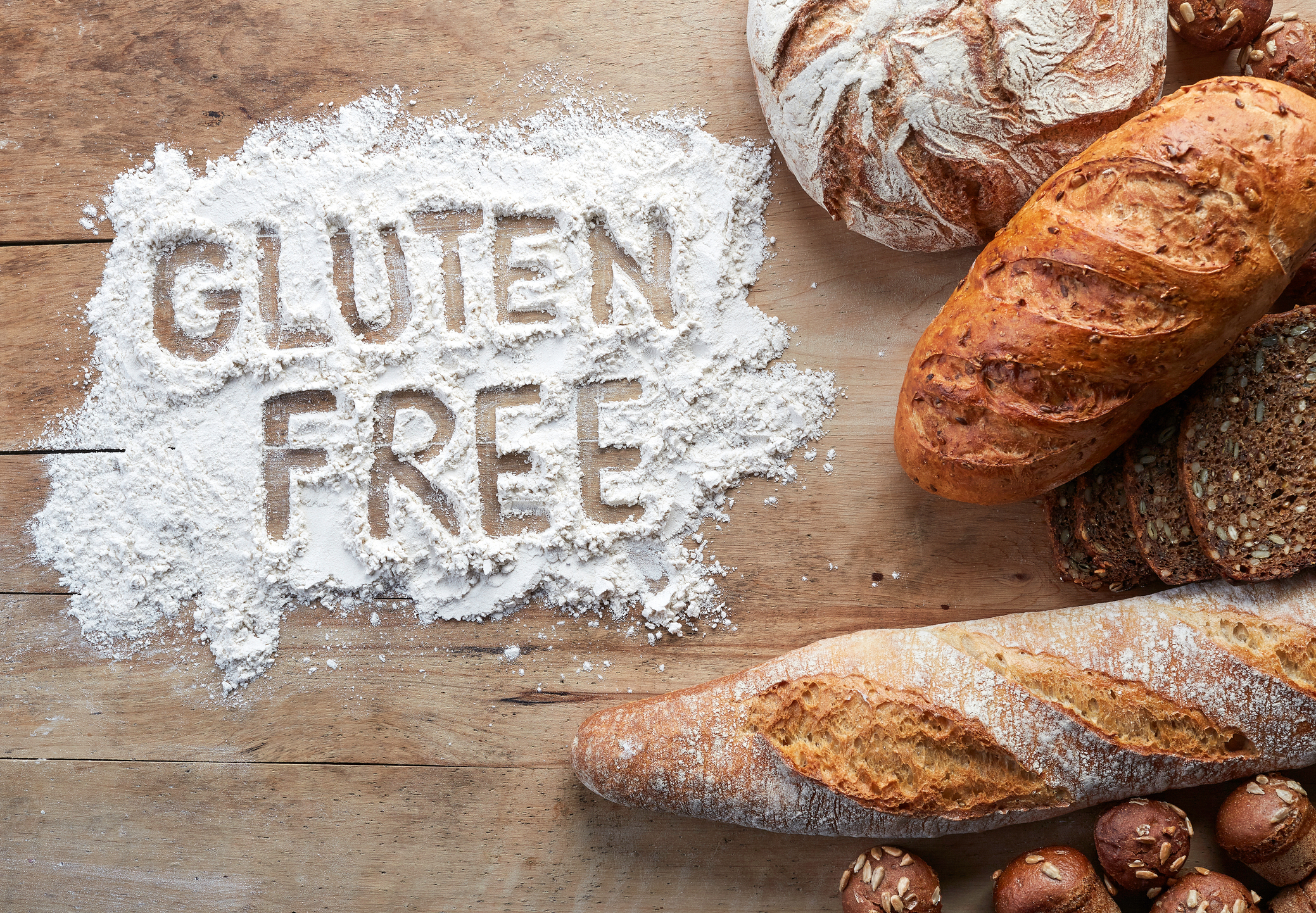
A gluten-free diet excludes all forms of gluten, a protein naturally found in wheat, barley and rye. While gluten poses no harm to most people, for individuals with certain health conditions, avoiding it is essential for maintaining well-being and preventing serious complications.
The primary group who must follow a gluten-free diet are those with celiac disease, an autoimmune disorder. In people with celiac disease, consuming gluten triggers an immune response that damages the small intestine’s lining, impairing the absorption of vital nutrients. Symptoms can vary widely and include chronic diarrhea, bloating, weight loss, fatigue, anemia, and skin rashes. If left untreated, celiac disease can lead to long-term health issues such as osteoporosis, infertility, and even neurological problems. For these people, a gluten-free diet is the only effective treatment.
Another group who may benefit from going gluten-free are those with non-celiac gluten sensitivity (NCGS). Though these individuals do not test positive for celiac disease or a wheat allergy, they still experience symptoms like digestive discomfort, headaches, fatigue, and joint pain when consuming gluten. Many find symptom relief by removing gluten from their diets.
Wheat allergy is another condition requiring gluten avoidance. This is a true allergic reaction to proteins found in wheat, including gluten. Symptoms range from mild itching and digestive issues to severe reactions like anaphylaxis. People with wheat allergies must avoid wheat-containing products, often overlapping with gluten-free eating.
A gluten-free diet involves eliminating foods that contain wheat, barley, and rye, such as most breads, pastas, cereals, and baked goods. However, many foods are naturally gluten-free, including fruits, vegetables, meat, poultry, fish, dairy, eggs, rice, quinoa, corn, and legumes. For those who need to avoid gluten, carefully read food labels to find out if they have gluten in them. Check the ingredients list on a package’s label to see if the list includes wheat, barley, rye or a cross of these grains such as triticale. Avoid hidden gluten in processed foods and sauces.
It’s important to note that a gluten-free diet isn’t automatically healthier for everyone. In fact, unnecessary gluten avoidance can lead to nutrient deficiencies if not properly managed. However, for individuals with gluten-related disorders, it’s a vital and often life-changing dietary choice.
(Environmental Nutrition is the award-winning independent newsletter written by nutrition experts dedicated to providing readers up-to-date, accurate information about health and nutrition in clear, concise English. For more information, visit www.environmentalnutrition.com.)
©2026 Belvoir Media Group, LLC. Distributed by Tribune Content Agency, LLC.









Comments