Hiking canyons can quickly turn deadly when storms hit – what you should know before going in
Published in Science & Technology News
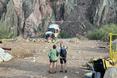

Hiking a picturesque valley or climbing a craggy gorge are some of the most exhilarating experiences in nature. As a geologist, I have hiked and climbed some of the most intense terrains in the world, including in the Andes, Middle Eastern deserts, the Balkans and the Appalachians.
I am particularly drawn to canyons that provide beautiful windows into the rock record and the geologic history of a place. However, these narrow valleys can quickly become extremely dangerous when water pours in.
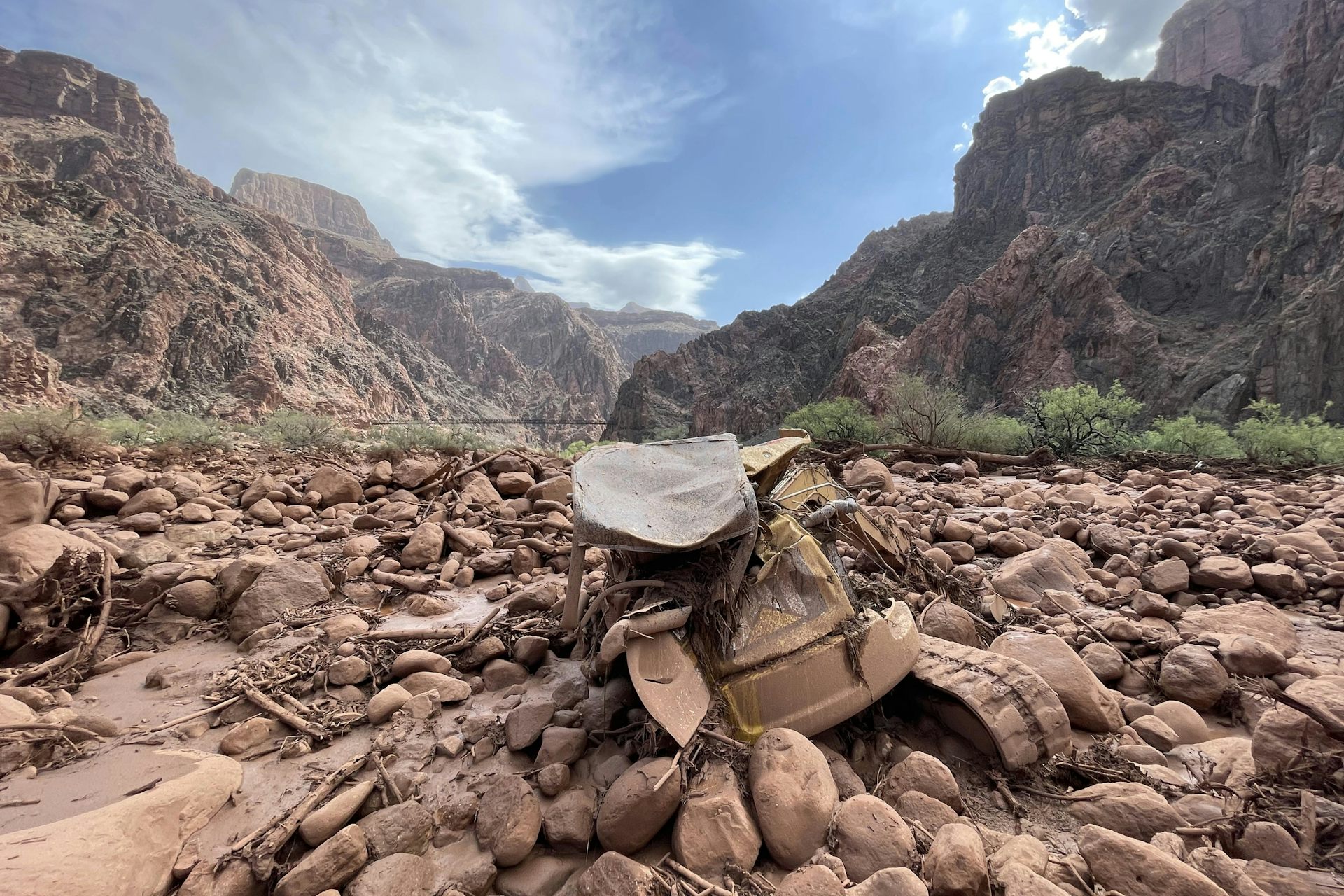
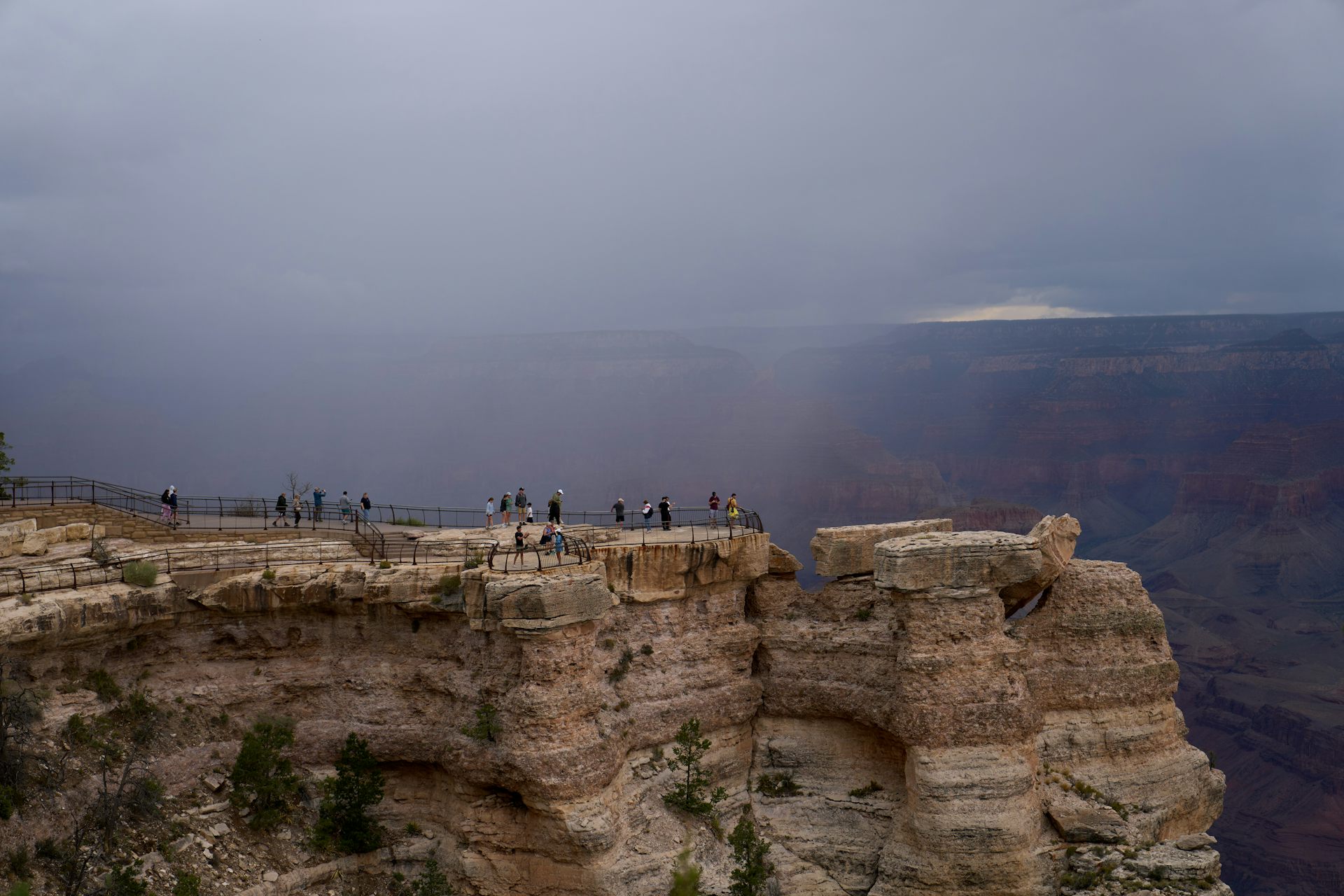
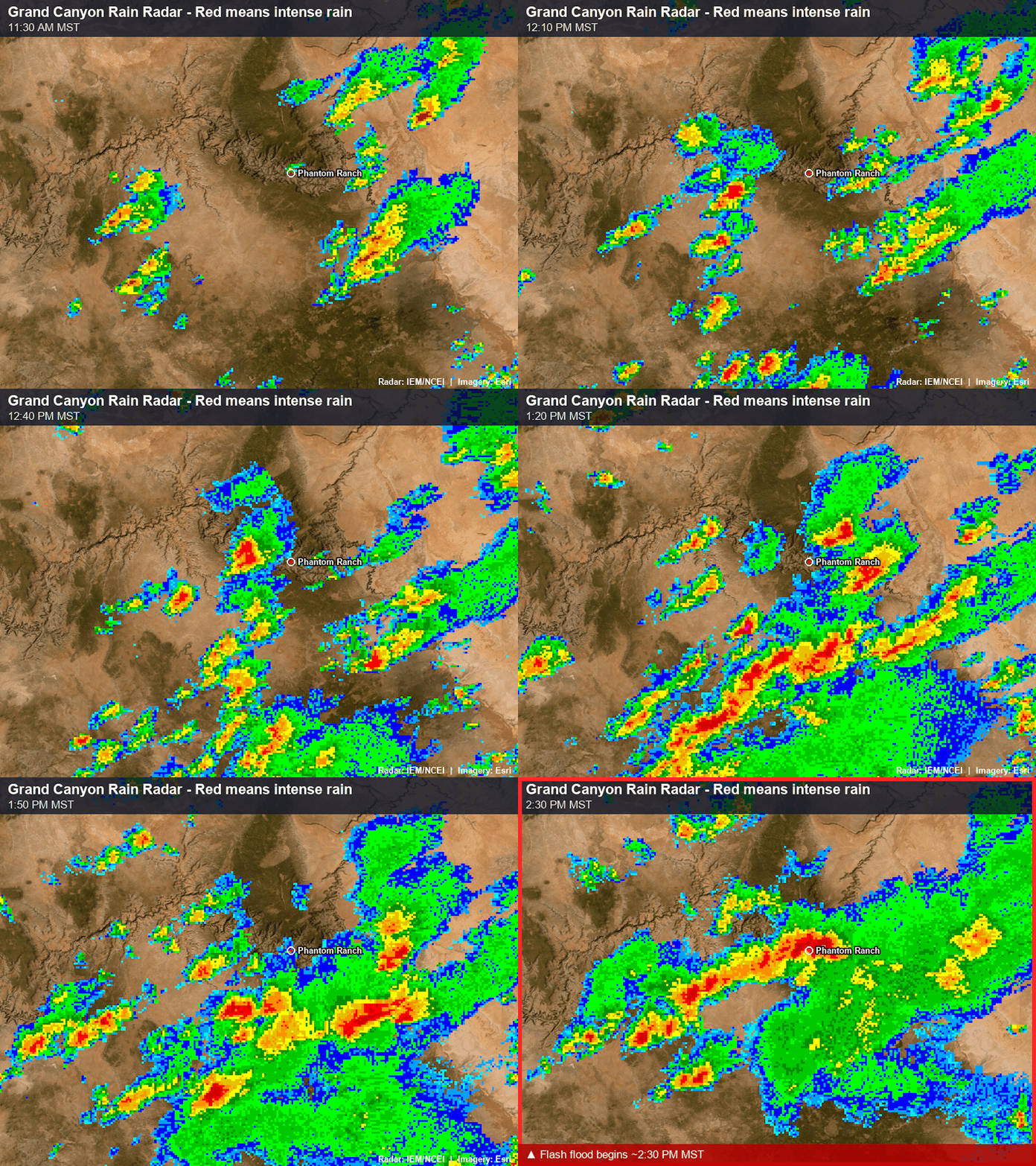
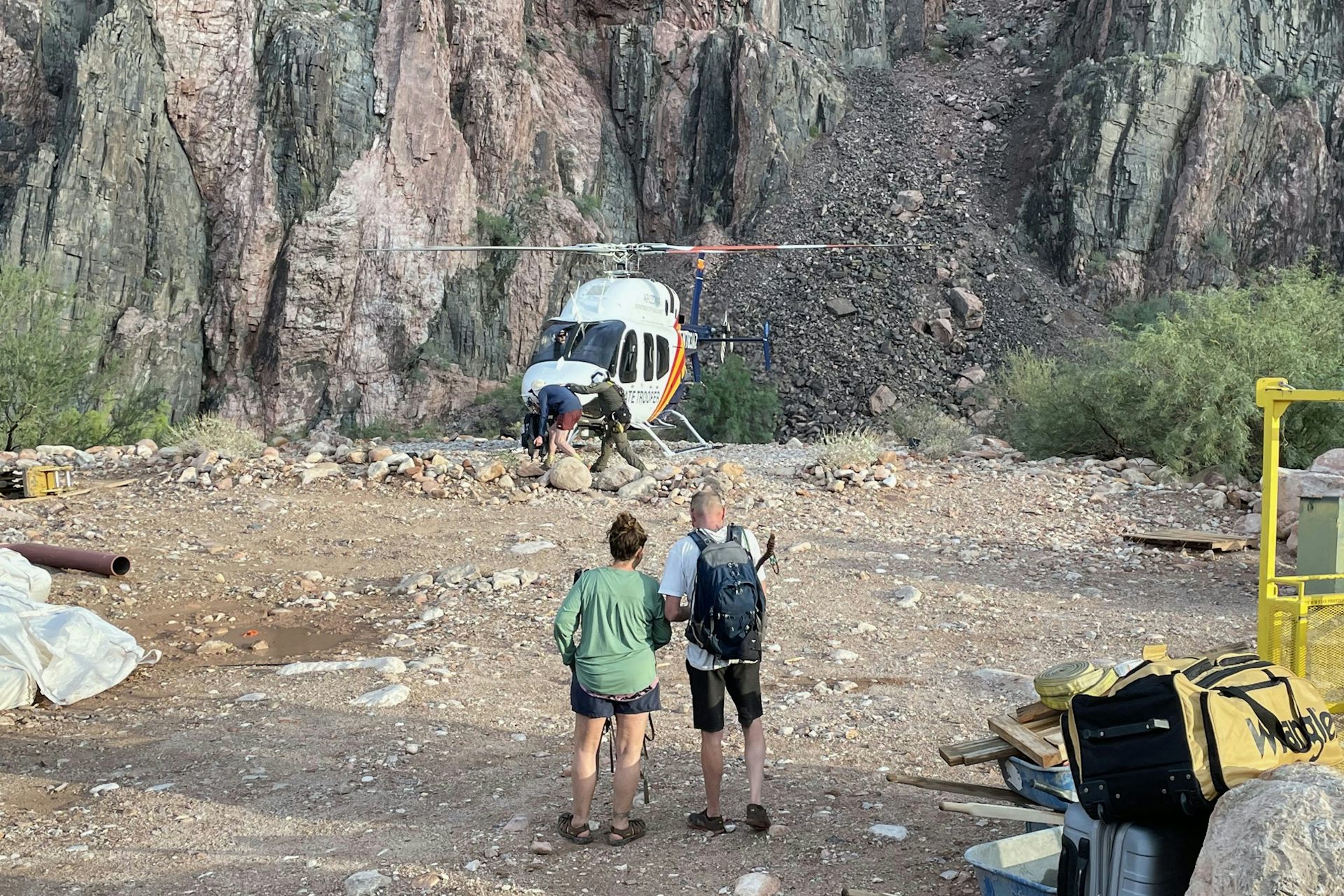
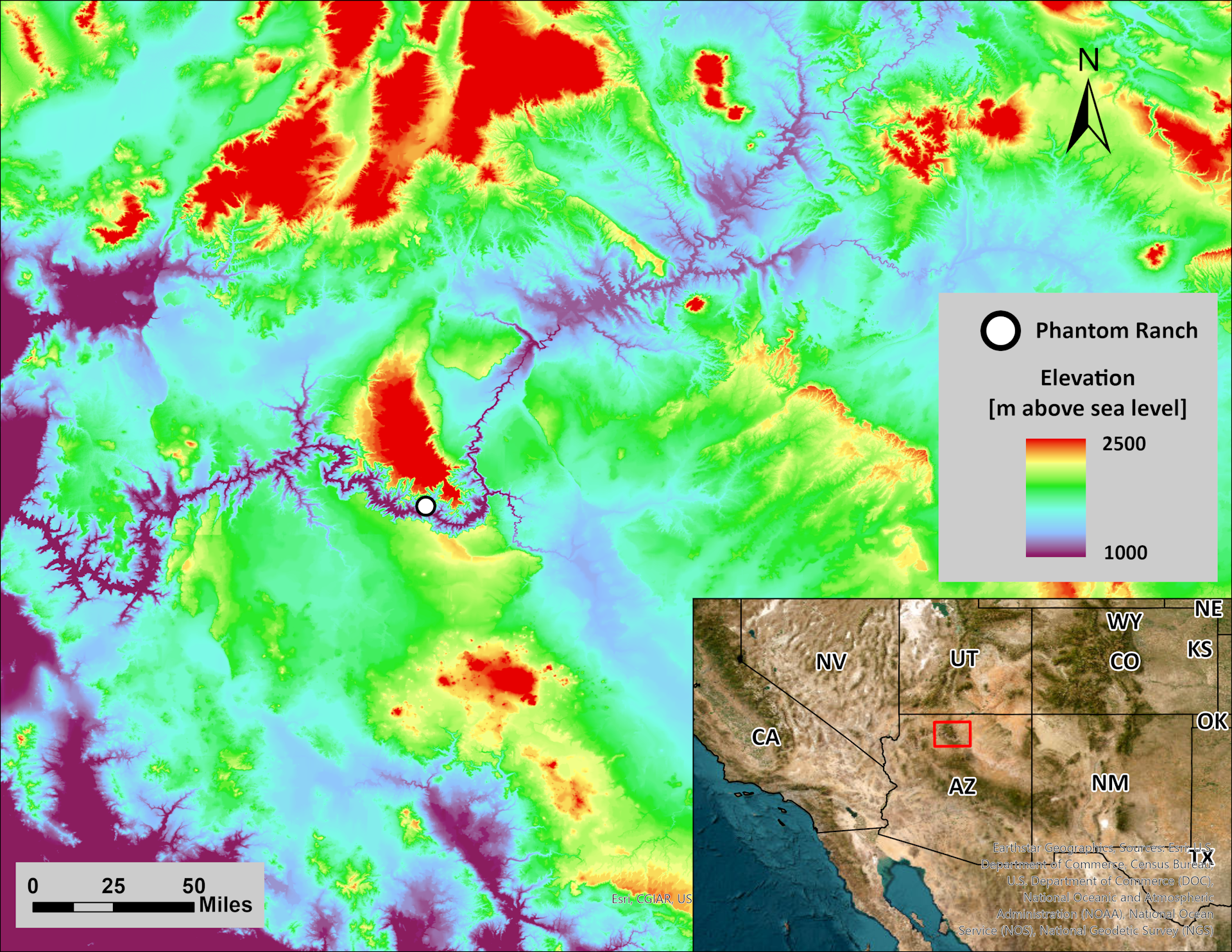
At Grand Canyon National Park in Arizona, at least two hikers died and a third was missing after powerful monsoon storms sent a deluge into one of the narrowest parts of the canyon on Aug. 29, 2026. Two of the survivors who were rescued described seeing the water quickly rise over the trail as they clung to a ledge, fearing they might never see their families again.
So, how do you balance a love for outdoor activity with managing this risk and hike canyons safely?
To understand the dynamics of a flash flood, it helps to start with the geomorphologic aspect – understanding the landforms and how they change over time.
In canyons and arroyos – steep gullies common to the Southwest – flash flooding can occur even when the heavy rainfall happens great distances away. A person can be hiking under clear skies in the canyon and not be aware that heavy rain falling upstream or even outside of the canyon means a disaster is unfolding.
The steep gradients and narrow passageways that define these landscapes channel the water, sending vast amounts of it rushing downstream. Under these conditions, water can rise quickly in the narrow space of a canyon.
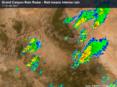
The Grand Canyon flood involved heavy downpours in the heart of monsoon season. The intensity of the rainfall matters in a canyon. Even in arid regions, which generally get low amounts of rain annually, heavy rainfall within a short period of time can create devastating floods.
In 2018, a flash flood in Israel’s Tzafit Canyon – an environment similar to the part of the Grand Canyon where the 2026 flood occurred – claimed the lives of 10 recent high school graduates who were hiking in the canyon.
I grew up in that region and had hiked there many times, and I remember thinking about the incomprehensible suddenness: One moment you are appreciating the breathtaking views of the desert, and within minutes you are fighting a torrent of water you never imagined in such an arid place. A year’s worth of rain fell near the canyon that day.
How well the ground absorbs water also affects flood dynamics. Soils that are highly porous and permeable can transmit water easily vertically into the ground.
However, in arid regions such as Arizona and the Negev Desert, where Tzafit Canyon lies, the dry ground tends to form hardened crusts that make it harder for the water to sink in. That exacerbates surface flooding.
What’s more, the lack of vegetation in dry and rocky environments means that water can flow more rapidly down slopes.
As an avid hiker, I value the beauty of nature and geology that canyons offer, and I believe in enjoying them. However, it is important to understand the risks and to prepare before hiking, climbing or backpacking in these areas.
Carefully study your environment before going in, so you know the risks and the escape routes that will let you get to safety in the event of a flash flood.
Gear up properly. Prepare for your trip so you have the equipment you need. Make sure you have a flashlight with extra batteries, a whistle to signal first responders, and extra clothes in case you get wet. If you know you will be hiking in high-risk water zones, you may consider an inflatable personal flotation device.
Talk to park rangers before going in so you know the current conditions and so someone knows where you’re going.
Always be aware of the weather – not just above you but upstream. Clear skies can be deceptive. An added challenge is that cellular service is often shaky in deep canyons and remote areas. Check the weather forecast before you go down a canyon, not just for the specific location, but also for the surrounding area. The National Weather Service provides warnings of flash floods and other extreme weather events.
When you are in a canyon, a good general guideline is to try to stay as high as possible and to be alert to the sound of an incoming flood. One person described the rush of water in the Grand Canyon sounding like a freight train.
If heavy rain starts, use extra caution and seek higher ground. Be aware that the timing of floods can vary widely – scientists analyzed 74,814 flash flood events in the U.S. and found the average duration was around 3½ hours, but some persisted for more than 48 hours. A flood can start quickly and strand people for long periods of time. Muddy water or debris in a normally clear stream are two signs of flooding developing. Rising water or the distant sound of rushing water is another clear warning to get to safety fast.
There are always risks in nature, but that does not mean you should avoid being out in nature. Planning ahead and hiking with caution and awareness can help you enjoy the beautiful outdoors and come back home safely.
This article is republished from The Conversation, a nonprofit, independent news organization bringing you facts and trustworthy analysis to help you make sense of our complex world. It was written by: Anner Paldor, University of Tennessee
Read more:
Flood‑prone Houston faces hard choices for handling too much water
Why Texas Hill Country, where a devastating flood killed more than 135 people, is one of the deadliest places in the US for flash flooding
When a mountain falls: How ice and rock triggered Nepal’s catastrophic flood – and why climate change is raising the risks
Anner Paldor does not work for, consult, own shares in or receive funding from any company or organization that would benefit from this article, and has disclosed no relevant affiliations beyond their academic appointment.







Comments