War on Iran during nuclear negotiations undermines the US’s ability to talk peace around the world − and the effects won’t end when Trump leaves office
Published in Political News
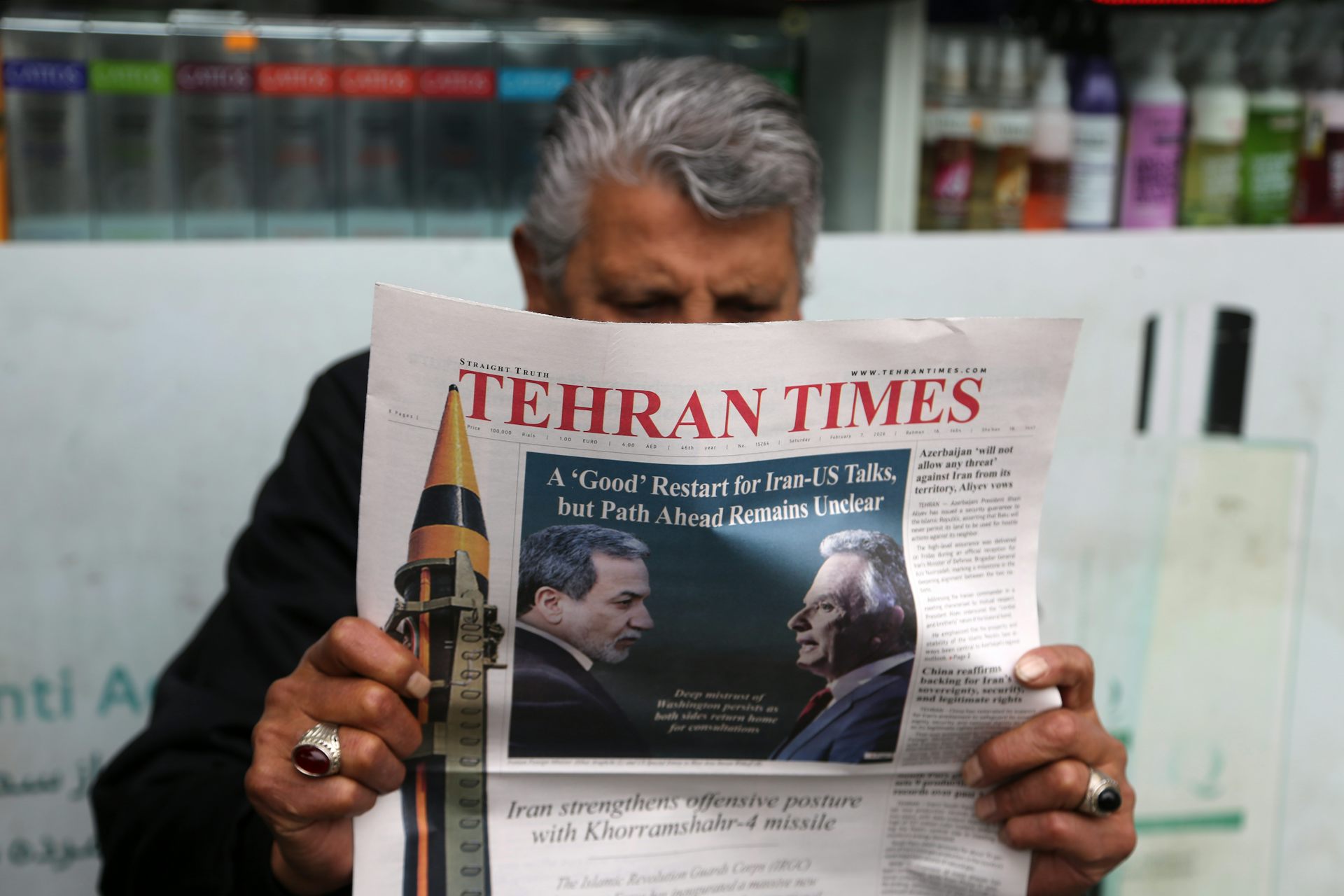
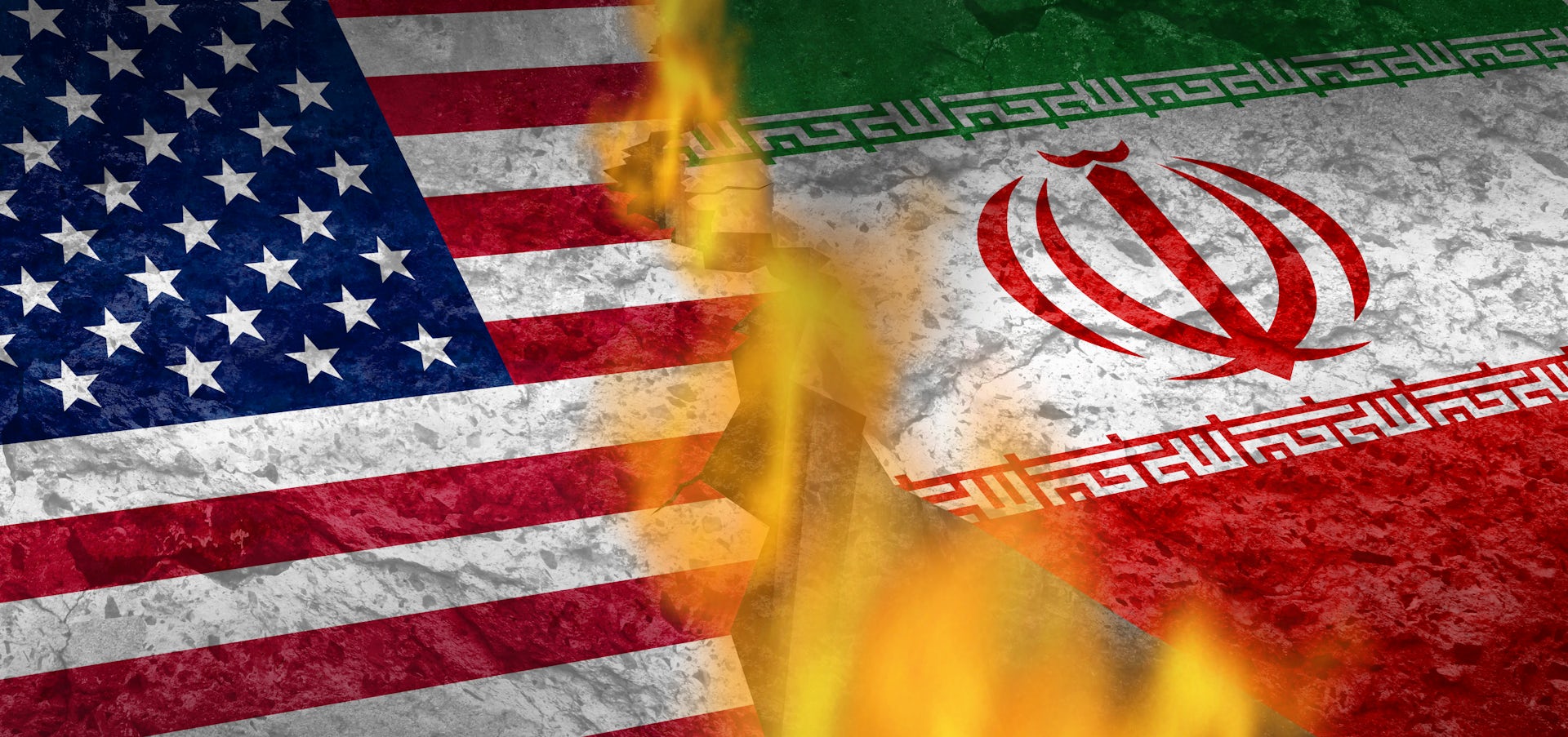


Operation Epic Fury – the latest round of military strikes against Iran – began when Iran was engaged in negotiations with the United States to renew restrictions on its nuclear program.
This is not the first time the United States has bombed Iran during nuclear negotiations.
In June 2025, while its representatives were in talks with Iran over that country’s ability to produce nuclear weapons, Washington launched Operation Midnight Hammer, targeting three Iranian nuclear facilities in Fordow, Natanz and Isfahan.
Washington has been broader in its selection of targets in Iran this time around, even though one stated U.S. goal has been to ensure that Iran does not gain nuclear weapons capability.
Conducting military strikes against a country that is engaged in negotiations to reduce its nuclear capacity sets a dangerous precedent. As a scholar of the global nuclear order, I believe that the conflict has jeopardized all future diplomacy to limit the spread of nuclear weapons.
The U.S. military action during negotiations has also undermined Washington’s ability to conduct diplomacy to end the war. Iranian officials negotiating with mediators have expressed their concern that they “don’t want to be ‘fooled again,’” according to a report in Axios, and that any new set of negotiations might just be a ruse to conduct more attacks.
The key components of any negotiations are trust and good faith.
Parties coming to a negotiating table to discuss their nuclear programs must trust that those across the table are acting in good faith. Past negotiations on nuclear arms control and risk-reduction measures between entrenched enemies, such as the U.S. and the Soviet Union or even India and Pakistan, have seen trust as a key component of coming to the table.
Trust has its own diplomatic cachet. It allows negotiating states to be a little more vulnerable, thus facilitating the possibility of softened positions leading to landmark agreements.
In the 1960s, negotiations were held to establish a global agreement – the Treaty on the Non-proliferation of Nuclear Weapons – to prevent the spread of nuclear weapons. Nations without nuclear weapons had to trust that countries with them would not use their atomic arsenals to gain military advantage over them as they committed to forswear the possession and development of these weapons. Today all but one of the nonnuclear countries of the world – South Sudan – are signatories to the treaty.
The consequences of Washington’s military strikes would be even more grave if a new nuclear deal between Iran and the United States was truly within reach in the negotiations in Geneva days before the conflict started. This is because the reported concessions from Iran were substantial enough to have warranted a pause in Washington’s military strategy.
A day before Operation Epic Fury began, Oman foreign minister Badr bin Hamad al Busaidi, the principal mediator in the talks, announced that Iran had agreed to zero stockpiling. That is, Tehran would give up its enriched uranium, would down-blend – nuclear-speak for diluting – all material that was previously highly enriched to a neutral level, and be subject to “full and comprehensive verification” by the International Atomic Energy Agency.
If true, these terms could have made any new agreement between the U.S. and Iran as consequential as the Joint Comprehensive Plan of Action negotiated between the United States and Iran under President Obama’s administration.
The violation of trust by the U.S. will be keenly observed by North Korea. In early March 2026, that country conducted tests of what it called “strategic cruise missiles” – missiles it suggests could have nuclear capability – stating that its ability to attack from under and above water was growing and that it was arming its navy with nuclear weapons.
Any possibility of bilateral negotiations between the United States and North Korea on its nuclear and missile programs will now be marked by the unreliability of the U.S. as a good faith negotiator.
With its actions in Iran, the U.S. has lost credibility as a leading international interlocutor in service of global nonproliferation diplomacy.
Key to a nation’s credibility during negotiations is the reputation that it builds from its past actions. Both instances of the U.S. bombing Iran while negotiating with it will make it very unlikely that other countries will engage with Washington in future nuclear diplomacy.
Those countries that want to take part in nuclear diplomacy involving the U.S. will likely ask that other, trusted countries participate as well. They will also likely seek security guarantees before engaging in negotiations. This will mean that China and the European Union – countries, alliances or institutions that might help keep the United States accountable – will likely have to be a part of any such diplomacy.
Loss of trust in the United States’ good faith will likely continue across future U.S. administrations after the Trump presidency. This will be because of uncertainty over the credibility of international commitments made by the United States. An agreement made by one administration could be reneged on by the next.
Another area of concern is that in the future a country on the threshold of gaining nuclear weapons might not arrive at the negotiating table fully ready to give up all parts of its nuclear program. Even if a country does make concessions, it might choose to hold on to some part of its nuclear or missile program as a guarantee against a future American military strike.
The future of negotiations over nuclear proliferation may yet expand beyond that focus to ballistic missiles as well. Recall that Trump began the latest conflict saying that Iran’s ballistic missiles were an “imminent threat” to the U.S. and its bases abroad. Nuclear weapons programs and ballistic missile programs often go together. Countries with such missile programs that are not allied with the U.S. might also be future targets of bilateral diplomatic and military action.
The loss of trust and good faith has substantially reduced the ability of the U.S. to diplomatically address not only broader nuclear and missile nonproliferation concerns but also its own national security needs. Under these circumstances, military action might be the most tempting option for Washington to secure these goals – and that is dangerous.
This article is republished from The Conversation, a nonprofit, independent news organization bringing you facts and trustworthy analysis to help you make sense of our complex world. It was written by: Debak Das, University of Denver
Read more:
Last nuclear weapons limits expired – pushing world toward new arms race
How the National Security Council typically functions to plan and fully assess risks when presidents consider going to war
US military action in Iran risks igniting a regional and global nuclear cascade
Debak Das does not work for, consult, own shares in or receive funding from any company or organization that would benefit from this article, and has disclosed no relevant affiliations beyond their academic appointment.





















































Comments