Indictments against a top extremism researcher and the SPLC force a reckoning on research ethics – an extremism scholar reflects on the field’s challenges
Published in Political News
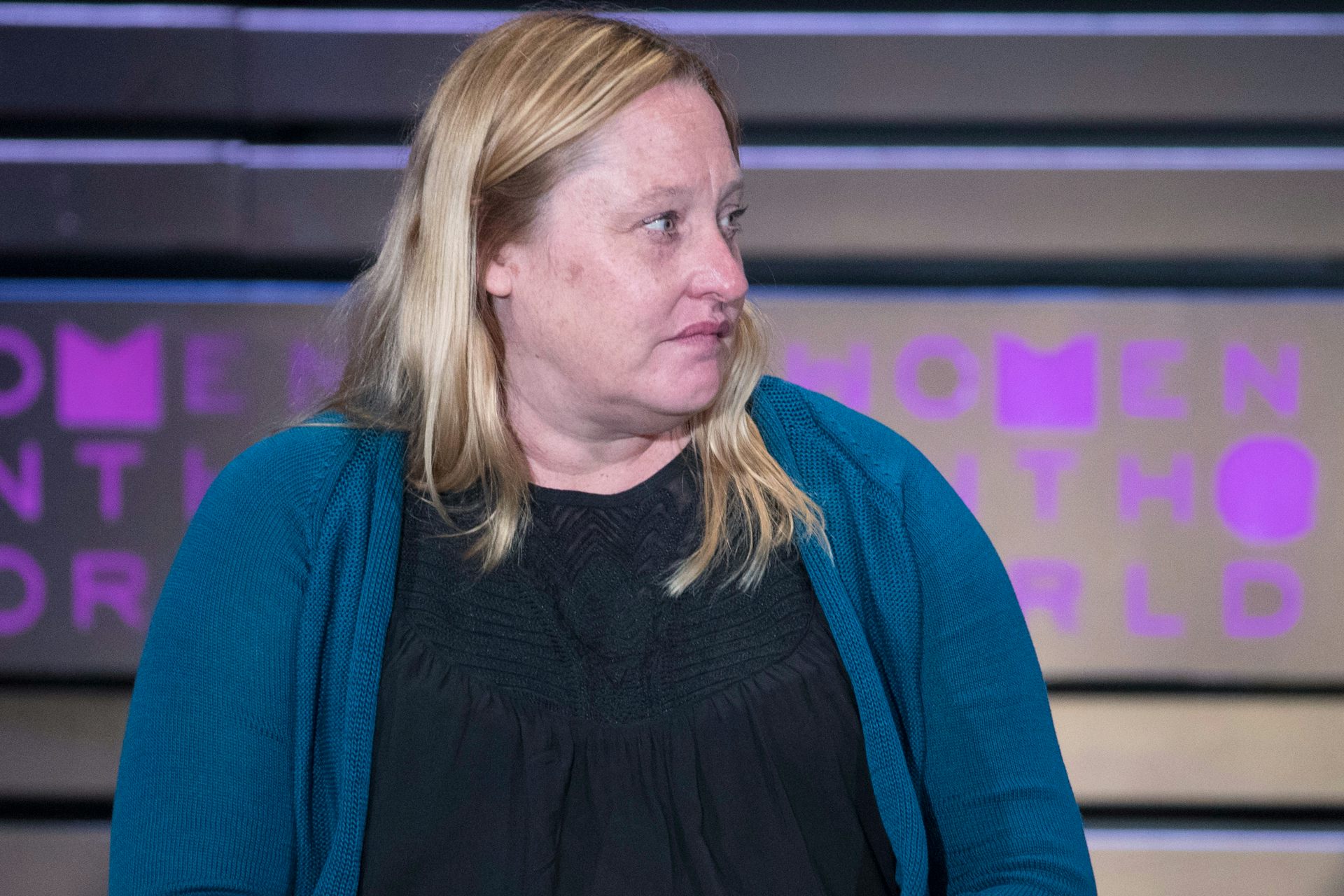


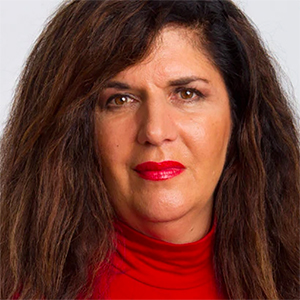
The August 2026 federal indictment of Heidi Beirich, a longtime researcher who studies political violence and the American far right, has provoked strong reactions within the professional community of extremism scholars.
I am one of those researchers. Beirich is a longtime colleague. In her work, she testified before Congress, shaped the understanding of journalists and politicians regarding organized hate groups in the United States, and collaborated with many scholars in the field.
Here’s the background: On Aug. 12 federal prosecutors unsealed a superseding indictment against Beirich, who is the former director of the Intelligence Project, the monitoring and research arm of the Southern Poverty Law Center, for wire fraud, bank fraud and money laundering. The indictment follows the April indictment of the SPLC itself, an Alabama-based civil rights nonprofit that has spent five decades litigating against white supremacist organizations and cataloging hate groups through its widely cited “hate map.”
The April indictment accused the organization of secretly funneling millions of dollars in donor funds to informants embedded in violent extremist movements, using bank accounts opened for fictitious companies.
The SPLC cases raise a crucial question for extremism researchers: In a field whose research methods can at times diverge from standard and approved methods in other academic areas, what are the legitimate ethical limits, especially with respect to cultivation of insider sources and source compensation?
I believe that a field that documents how political movements rationalize the misconduct of their own members should be the last to reproduce this pattern.
For decades, the SPLC’s Intelligence Project tracked far-right extremist organizations. Some of that knowledge came from public sources, but some of it came from people inside those movements.
To understand how clandestine groups actually operate, who leads them, where they meet and what they are planning, the organization cultivated insiders and, according to prosecutors, paid them.
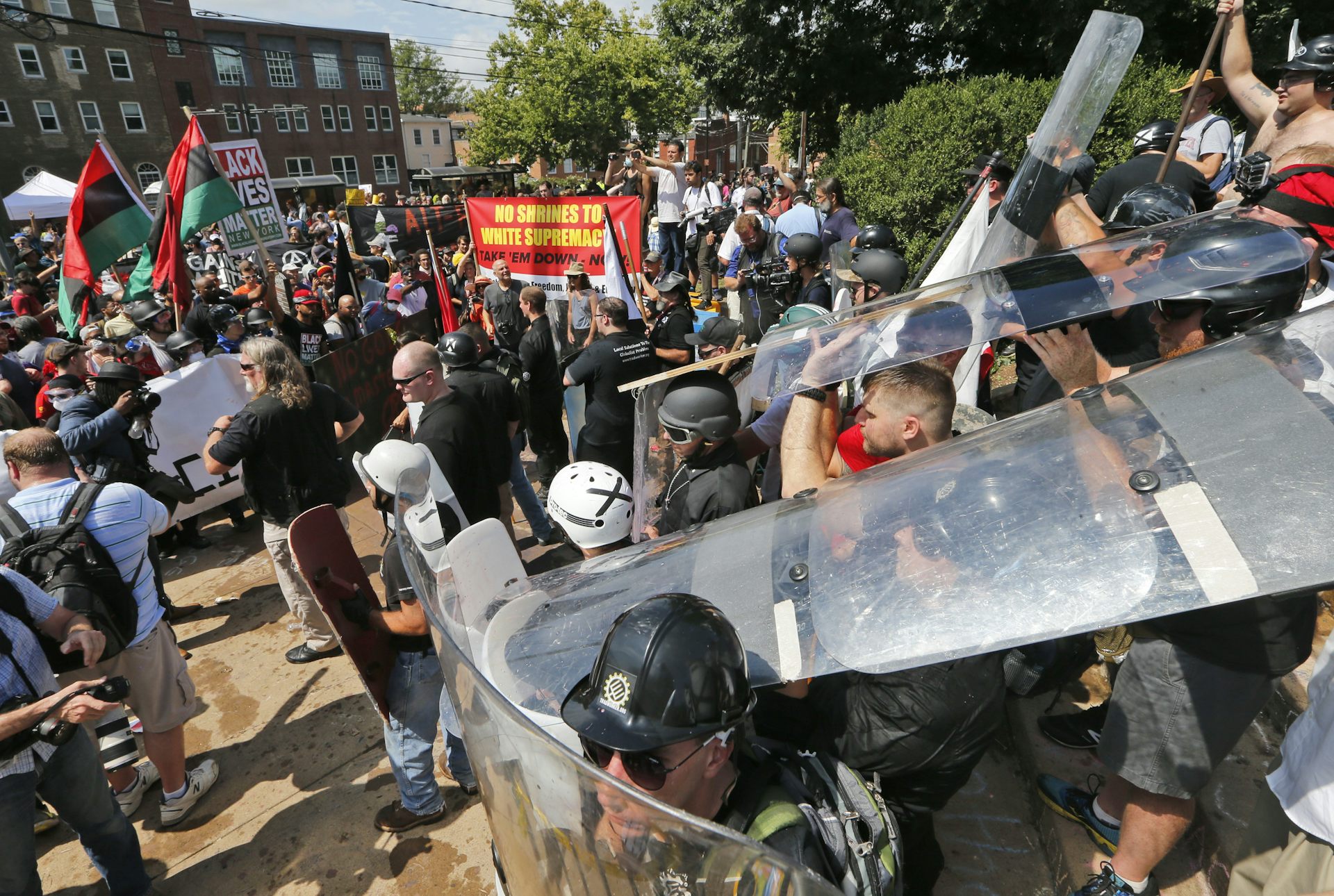
The SPLC maintains in its court filings that information gathered this way was shared with federal law enforcement, including in the period surrounding the 2017 “Unite the Right” rally in Charlottesville, Va. The Justice Department disputes that characterization.
What is not in dispute is that this practice existed, and its legality is the center of the case against both the SPLC and Beirich.
The indictment alleges that the SPLC misrepresented to donors how their contributions would be used, that it opened bank accounts in the names of fictitious entities to disguise the source and destination of the payments, and that between 2007 and 2023 more than US$4 million reached individuals connected to the Ku Klux Klan, Aryan Nations, the National Alliance, the United Klans of America and participants in the Unite the Right rally.
In Beirich’s case specifically, prosecutors allege that roughly $140,000 moved between 2015 and 2021 from an SPLC account into accounts she jointly held with an informant, and that the money covered personal living expenses.
Beirich, through her attorneys, has firmly rejected the accusations as politically motivated.
Indeed, there is a politicized context surrounding the prosecution. This was reflected both in the administration’s statements and actions against the SPLC.
On the day of the April indictment, Acting Attorney General Todd Blanche said the SPLC had been “manufacturing racism to justify its existence” and was “manufacturing the extremism it purports to oppose.”
Assistant Attorney General Harmeet Dhillon described the prosecution as “personal,” citing her own prior representation of people the SPLC had labeled extremists, which Dhillon believed was unjustified.
The FBI decided in October 2025 to end its cooperation with the SPLC, which had involved sharing data and analysis on hate crimes and hate groups and drawing on the organization’s tracking of extremist movements.
In early August 2026, a federal judge denied the SPLC’s motion to dismiss the organization’s indictment as a vindictive prosecution, finding that it had not produced objective evidence tying the political criticism to the charging decision itself. She also refused to let the organization obtain the government’s internal records of how the decision to prosecute was reached, describing its submissions as “speculation upon conjecture.” Days later, Beirich was charged in the second superseding indictment.
These two cases force researchers to grapple with how knowledge about violent movements is actually produced.
Researchers, journalists and watchdog organizations rely on four broad avenues of access:
• Consent-based engagement, which consists primarily of interviews with current and former members of extremist movements, conducted under institutional oversight and with informed consent, meaning that participants are told what the research is for, what will be done with what they say, and that they may withdraw at any point.
• Observational fieldwork, which includes attending rallies, meetings and public events to document organizational dynamics.
• Large-scale collection of online content from platforms and encrypted channels where extremist communities organize and communicate.
• Cultivation of insider sources – by far the most delicate information collection. Sources include defectors, informants and individuals who remain embedded within movements while passing information to outsiders. Academic researchers rarely use this last avenue. Watchdog organizations and investigative journalists rely on it.
Academic research on human subjects is governed by a framework built largely in response to past medical and psychological research abuses.
Its core commitments are voluntary and informed participation, minimization of harm to participants, confidentiality and prior approval by an institutional review board that weighs risk against scientific value. That architecture assumes a research setting in which the participant is the vulnerable party, the risks are foreseeable and the researcher is safe.
Extremism research fits none of those assumptions cleanly.
Covert observation conflicts with informed consent. Revealing oneself to a violent movement can put the researcher in danger and skew the data.
Information collected for academic purposes can acquire operational value for law enforcement agencies, blurring the line between research and intelligence work.
And the compensation of sources exists in the deepest gray area of all. Mainstream journalism largely prohibits paying sources. Law enforcement institutionalizes it through regulated informant programs.
However, researchers and watchdog organizations operate in the unregulated space between these poles. Paying an insider may be the only way to maintain access, protect the source or extract someone from a movement, but that same payment also carries the risk of subsidizing the movement itself.
The field has never resolved this tension and largely avoided it.
The Framework for Research Ethics in Terrorism Studies gives review boards a structured set of questions covering participant vulnerability, consent, anonymity, data security and the safety of the researcher. But it addresses how researchers should be reviewed rather than how insider relationships should be financed. On the question of paying a source, the framework, like the field, remains largely silent.
If courts accept the government’s legal approach in the SPLC cases, effectively treating discreet payment channels to insider sources as inherently fraudulent, the implications reach far beyond a single organization.
Watchdog groups and newsrooms that route payments through intermediaries to keep a source’s identity insulated in dangerous reporting environments, and researchers who compensate participants for their time under routine institutional review board approval, would all find their standard methods newly exposed.
That will undermine efforts to gain a clear picture of violent extremism in the U.S., including how many attacks occur and by whom, how movements recruit, how online spaces convert grievance into planning and which warning signs precede violence.
That work feeds federal and state threat assessments, informs social media platforms on how to identify extremist users and content, shapes prevention programs and supplies the evidentiary basis for prosecutions and congressional oversight. A legal theory that treats discreet payment channels to insider sources as inherently fraudulent would narrow the range of what can be known about movements that conceal themselves by design.
Despite such concerns, the positive outlook is that a professional field that has spent decades documenting how political movements rationalize the misconduct of their members is in an unusually good position to notice when it starts doing the same thing.
Researchers can use this moment to finally build the ethical infrastructure around the cultivation of insider sources and source compensation that the field has postponed for too long.
This article is republished from The Conversation, a nonprofit, independent news organization bringing you facts and trustworthy analysis to help you make sense of our complex world. It was written by: Arie Perliger, UMass Lowell
Read more:
White supremacists spin a Justice Department indictment against a hate‑monitoring group to legitimize extremism and expand recruitment
Trump administration’s indictment of the Southern Poverty Law Center breaks with norms – and may lack evidence of criminal wrongdoing
Nonprofit fraud: Amid high‑profile prosecutions, an accountant explains what’s really going on
Arie Perliger does not work for, consult, own shares in or receive funding from any company or organization that would benefit from this article, and has disclosed no relevant affiliations beyond their academic appointment.
















































Comments