Pete Hegseth is rebuilding the Army’s ‘brass ceiling’
Published in Political News
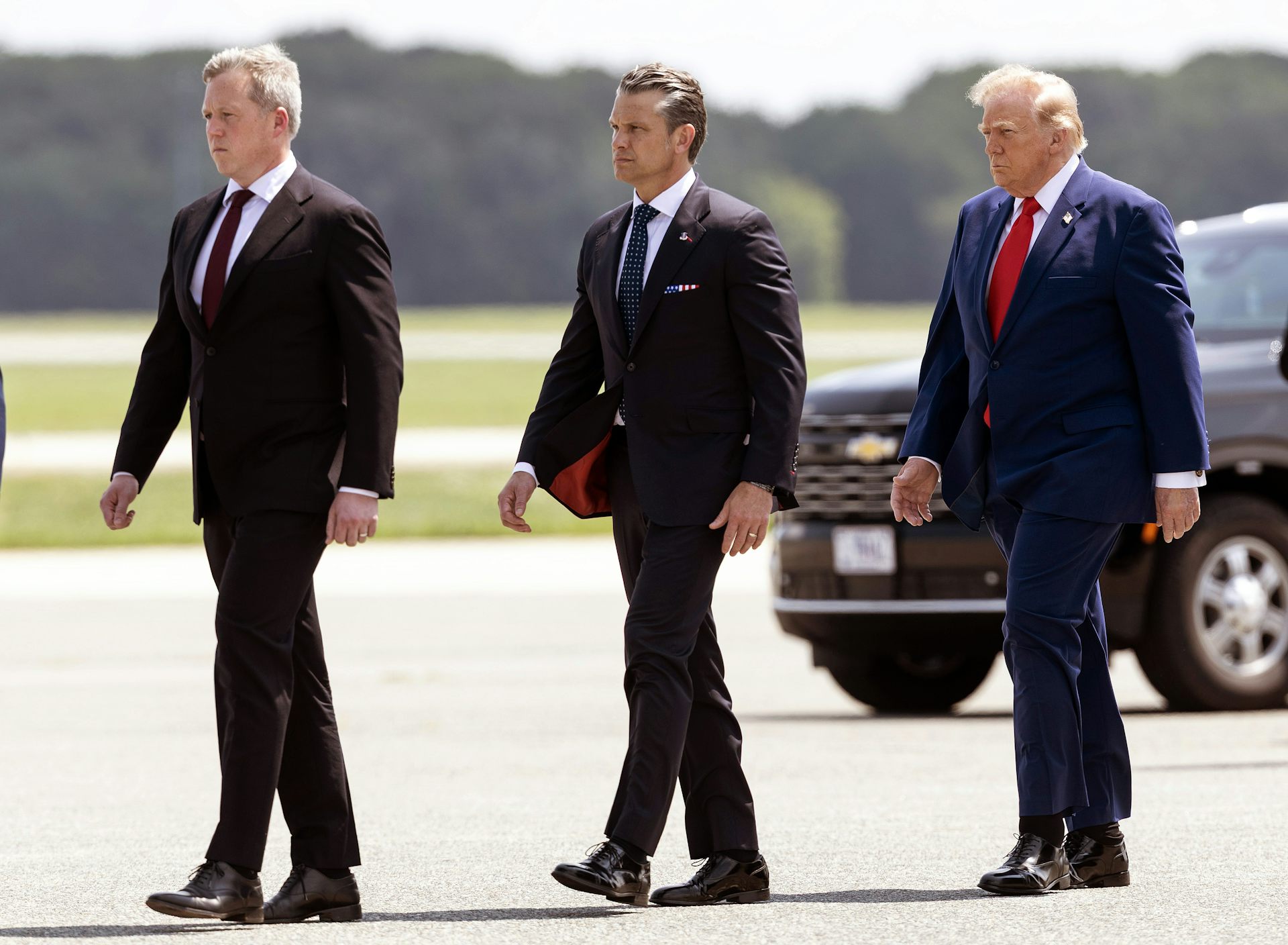


Dan Driscoll resigned as secretary of the Army on Aug. 31, 2026. His departure leaves the Army without a Senate-confirmed civilian leader six months into the war with Iran, its busiest period since the wars in Iraq and Afghanistan.
Driscoll’s resignation was reportedly motivated, at least in part, by his frustration with Defense Secretary Pete Hegseth. Earlier in August, Hegseth had blocked the promotions of four Army officers.
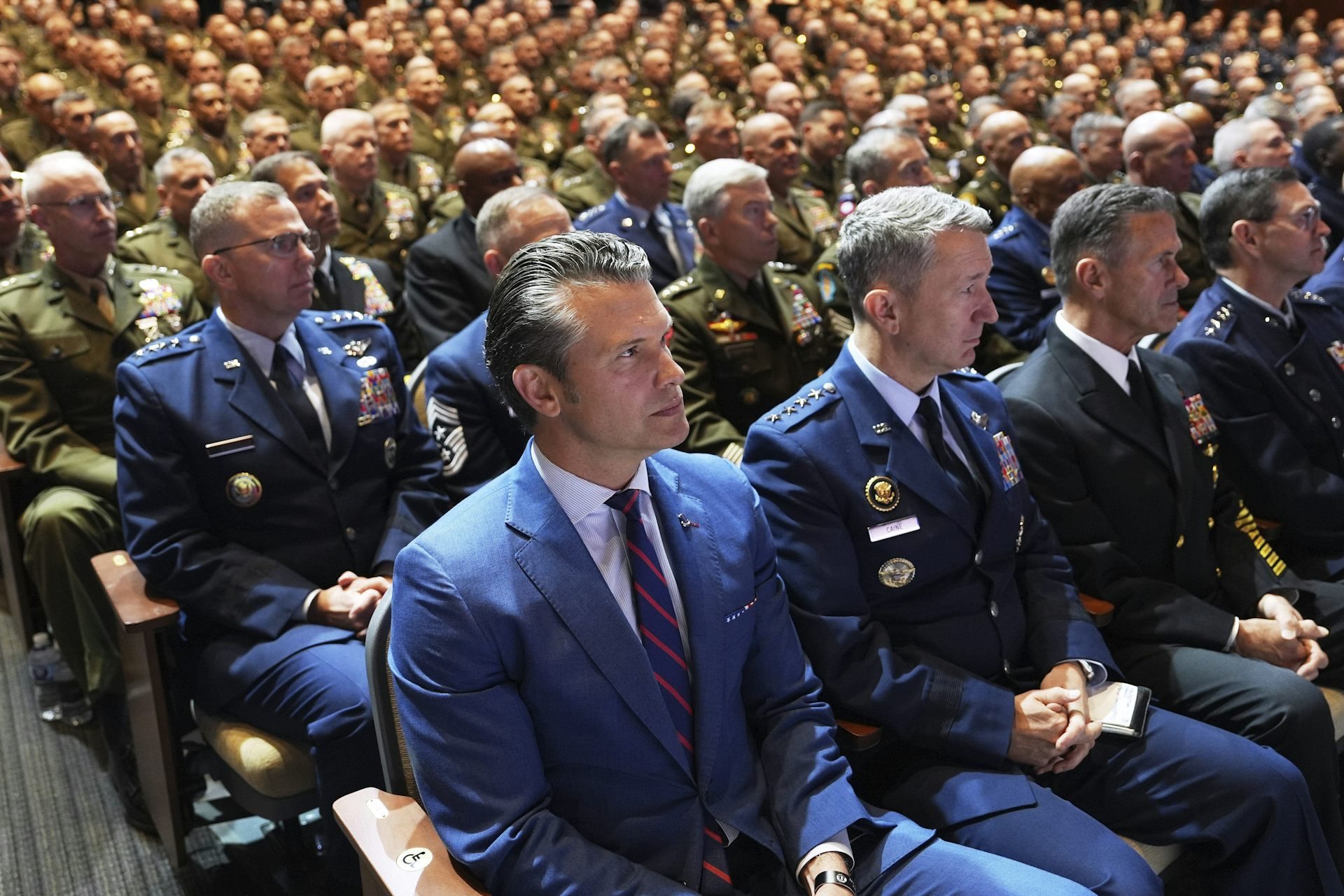
Since his appointment in January 2025, Hegseth has fired or blocked the promotions of more than 80 admirals and generals. Often, Hegseth has referenced “woke” diversity efforts in his reasoning. One officer who was blocked had written a paper while in graduate school about the impact of political polarization on recruiting. Another officer had his name pulled from the promotion list after officials incorrectly believed that he had allowed a mentorship group for female paratroopers to exist in his unit.
More than half of the officers removed have been women or Black in an officer corps that is 79% male and 74% white.
Hegseth’s blocking of promotions and apparent targeting of women and Black people appear to violate military rules meant to protect against the politicization of the military’s officer corps and have undermined faith in the military’s promotion system, which is supposed to be merit-based.
I’ve spent years studying the U.S. military and have written a book on diversity and military recruiting. In my assessment, Hegseth is building a military that fits a narrow ideological view at the cost of its service members’ safety and well-being.
The Army exceeded its recruiting goal of 60,500 new enlistees in fiscal year 2025 and has already hit its targets for the 2026 fiscal year.
In fact, 2026 marks the third straight year that every active duty military service has met its recruiting goals. That the Army and other branches have been able to do this – despite the fact that they rely on women and people of color – would, at first glance, seem to indicate that the politicization of the military has not hurt recruiting.
Hegseth has attributed the success to “the belief (recruits) have in civilian leadership and military leadership.” According to a Pentagon spokesperson, “Americans everywhere are prouder than ever to serve.”
What Hegseth and others fail to acknowledge, however, is that recruitment is driven not by ideology but by market factors and need.
Since the end of the draft in 1973, according to my research, the success of military recruiting has largely hinged on young people’s perceptions of their chances for upward mobility. Many young people join the military because they are in need of the opportunities military service provides. This past year’s recruitment numbers are likely more a result of young Americans seeking steady pay, job training and educational benefits than agreement with Hegseth’s vision of the military.
Market research studies conducted in the past year have found that making money, paying for education, travel, work experience and medical benefits are the top motivators guiding young people toward military service. Recruits are guided by what military sociologist Charles C. Moskos called occupational appeals that frame enlisting as a smart economic decision rather than by patriotism or nationalism. These kinds of appeals have historically been successful in attracting the diverse recruits – women and people of color – who have been critical to the military’s ability to meet its personnel needs.
Recruiting data shows that Hegseth and other members of the Trump administration have little control over the composition of the enlisted ranks. However, Hegseth’s anti-woke campaign is changing what the military is like for those who serve.
Historically, women, Black service members and service members of color have faced discrimination and violence within the ranks.
Recent firings and blocked promotions have further shaped a military leadership that has historically been almost exclusively white and male. All five service chiefs and 9 in 10 combatant commanders are white men. This year the lowest percentage of women in 25 years have been nominated to the rank of general and admiral.
This targeting of women and people of color has solidified the “brass ceiling” – a term used to describe the limited opportunities for promotion for women and Black service members – and is creating a military leadership that doesn’t reflect the service members they command or the nation they represent. The overwhelmingly white and male leadership commands an enlisted force in which 34% identify with a racial minority group and 17% are women.
By purging military leadership of women, Black service members and those who have supported opportunities for service members other than white men, Hegseth is creating a culture ripe for racial, sexual and gender discrimination and harassment.
Hegseth has also sought to restore tributes to Confederate soldiers and has attacked military diversity. These actions further erase and invalidate the contributions of women, Black service members and other service members of color.
The military’s need for more equitable representation was born of the demands and costs of combat.
During the Vietnam War, disproportionate numbers of Black and Latino service members served in combat and were killed while under the command of a largely white officer corps.
The Defense Race Relations Institute – now known as the Defense Equal Opportunity Management Institute – was formed in 1971 to provide race relations education to every member of the armed forces to quell rampant racial unrest, including racial violence and fragging incidents. Fragging incidents – the killing of a fellow service member, often using fragmentation grenades – were rampant in Vietnam.
Army Reserve Officers’ Training Corps programs were instituted at historically Black colleges and universities to increase the numbers of Black officers. The Department of Defense pushed for increased ROTC programs at HBCUs during the Vietnam war as a way to increase the size of the officer corps.
While HBCUs provided large numbers of Black officers during Vietnam, the success of diversifying the officer corps has been limited. Scholars have attributed this limited success, despite consistent efforts to recruit Black Americans, to educational inequalities and the conservative culture of the officer corps.
These efforts were based on the military adopting the idea that an efficient and lethal military should look like the nation it serves and that its leaders should look like the soldiers they command.
Hegseth’s purging of the officer ranks means the Americans who serve in the military won’t see themselves reflected in leadership or see a path to the top ranks. But they will continue to bear the costs of war: About half of the 18 service members killed in the Iran war between February and August were women and people of color.
This article is republished from The Conversation, a nonprofit, independent news organization bringing you facts and trustworthy analysis to help you make sense of our complex world. It was written by: Jeremiah Favara, Gonzaga University
Read more:
The military’s diversity rises out of recruitment targets, not any ‘woke’ goals
US Army’s image of power and flag‑waving rings false to Gen Z weary of gun violence − and long‑term recruitment numbers show it
How the US military used magazines to target ‘vulnerable’ groups with recruiting ads
Jeremiah Favara does not work for, consult, own shares in or receive funding from any company or organization that would benefit from this article, and has disclosed no relevant affiliations beyond their academic appointment.




























Comments