Sexual harassment overhaul at a crossroads in the House
Published in Political News
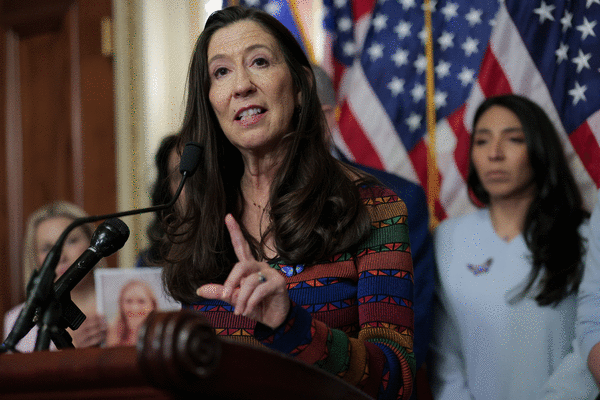
WASHINGTON — The leaders of an effort to overhaul how the House deals with sexual misconduct hope their proposal will see action before the end of the 119th Congress, though they’re split on the odds.
Rep. Kat Cammack, R-Fla., chair of the Republican Women’s Caucus, said legislative text is done and is being looked at by the relevant committees.
“Yes, absolutely,” she said when asked if the package would get a vote this year. “We’re shopping it now with the different committees, House Admin and Ethics, and waiting on their final feedback, which we should have actually this week.”
Rep. Teresa Leger Fernández, chair of the Democratic Women’s Caucus, said she was still optimistic about getting it done, but stopped short of putting full faith in Republican leadership to get it over the finish line. The effort has been underway since May, when Cammack and Leger Fernández’s caucuses announced a partnership to propose changes after two members of the House resigned amid allegations of sexual misconduct.
Asked if she thought Speaker Mike Johnson would put the proposal on the floor during the busy lame-duck session, Leger Fernández laughed.
“Hopefully, that’s something that will happen, because you know the Republican Women’s Caucus had said they were optimistic before we left. I’m still optimistic,” she said.
The two groups have spent months holding dozens of meetings with staff, their own caucuses and male members of Congress, among others. Suggestions have included banning members of Congress from engaging in sexual relationships with any House staffer, not just those who work for them directly, and outlining penalties for violaters. Initially, the groups were expected to unveil their work by August recess, but that got pushed back as the House canceled weeks in session and as they cited a desire to get it right.
Cammack said she thinks Johnson “has been very sincere in his efforts on this.”
“That would be a tremendous disappointment” if he didn’t put it on the floor, she said when asked about the possibility. “I genuinely believe he cares about this issue.”
Leger Fernández said if it doesn’t get done by the end of the 119th Congress, she hopes some changes would be adopted under the rules package for the next Congress that Democrats bring forward in January. Such packages are typically adopted with party-line votes and give incoming majorities the chance to tweak how the House operates to their liking. While certain narrower proposals aimed at curbing sexual harassment could be written into House rules, others would need to pass both chambers and be enacted into law to take effect.
“We are going to move to make sure it is in the rules package, because we will be in charge next year,” Leger Fernández said. “But I would love for it to pass now, because that was a commitment that it be bipartisan.”
©2026 CQ-Roll Call, Inc., All Rights Reserved. Visit cqrollcall.com. Distributed by Tribune Content Agency, LLC.





































Comments