What is the key to Cynthia Nixon and her wife Christine Marinoni's relationship?
Published in Entertainment News
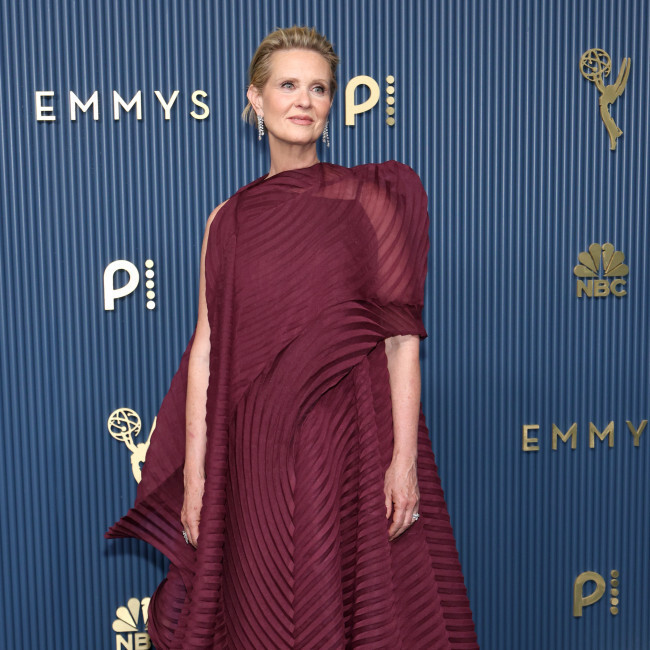
Cynthia Nixon says she and her wife Christine Marinoni do their utmost to be kind to each other.
The Sex and the City star has been married to education organiser Christine for the past 14 years and has stressed that "trying to remember to be kind" to one another is one of the key foundations of their relationship.
Cynthia told People: "I feel like we - sometimes when we get in little snits, little whatever - we say we've got to remember to be kind to each other."
The couple first met in 2001 before starting a romantic relationship three years later following the Emmy-winning star's split from her partner Danny Mozes in 2003 and Cynthia recalled how her spouse was uneasy about pursuing a romance at first.
She told the Radio Times magazine back in 2017: "When we started seeing each other, Christine kept waiting for the other shoe to drop, for me to panic about what this would mean - to my career or to myself - as if somehow I just hadn't noticed that she was a woman.
"And then she met my mother and that was when she stopped worrying about it."
Cynthia, who has son Max, 15, with Christine, previously described how her former publicist discouraged her from making the romance public.
She told The Advocate in 2015: "He just kept saying, 'It's your life, and it's private, and that's it.'
"And we kept asking, 'That's the whole thing? We never move past that? We're at the playground with the kids, and pictures are taken of us, and we say, 'No, that's my friend?'"
Meanwhile, Nixon played the role of Miranda Hobbes in Sex and the City and bemoaned that the HBO series - which aired from 1998 to 2004 - was "incredibly white" last year.
The 60-year-old star told Sky News: "The one thing that didn't really sit well with me in the past was how incredibly white the show was."
Cynthia felt that the sequel series And Just Like That... - which ended last year after three seasons - presented a more well-rounded view of the world.
She explained: "I think to expand the universe of, you know, who gets to be centred in the show has been a tremendous boon. Whether you're talking about people of colour, whether you're talking about queer people, people of different ages. We used to have a wonderfully fascinating lens, but it was fairly narrow.
"We've moved in our view of queer people … for so long, if you wanted to put a gay person on screen, one of the ways to make them palatable was to really emphasise their funniness and I think we have many very funny gay characters, but we're able to, I think, have a more well-rounded view of them."











Comments