Mayo Clinic Q&A: Why you should know your heart rate numbers
Published in Health & Fitness
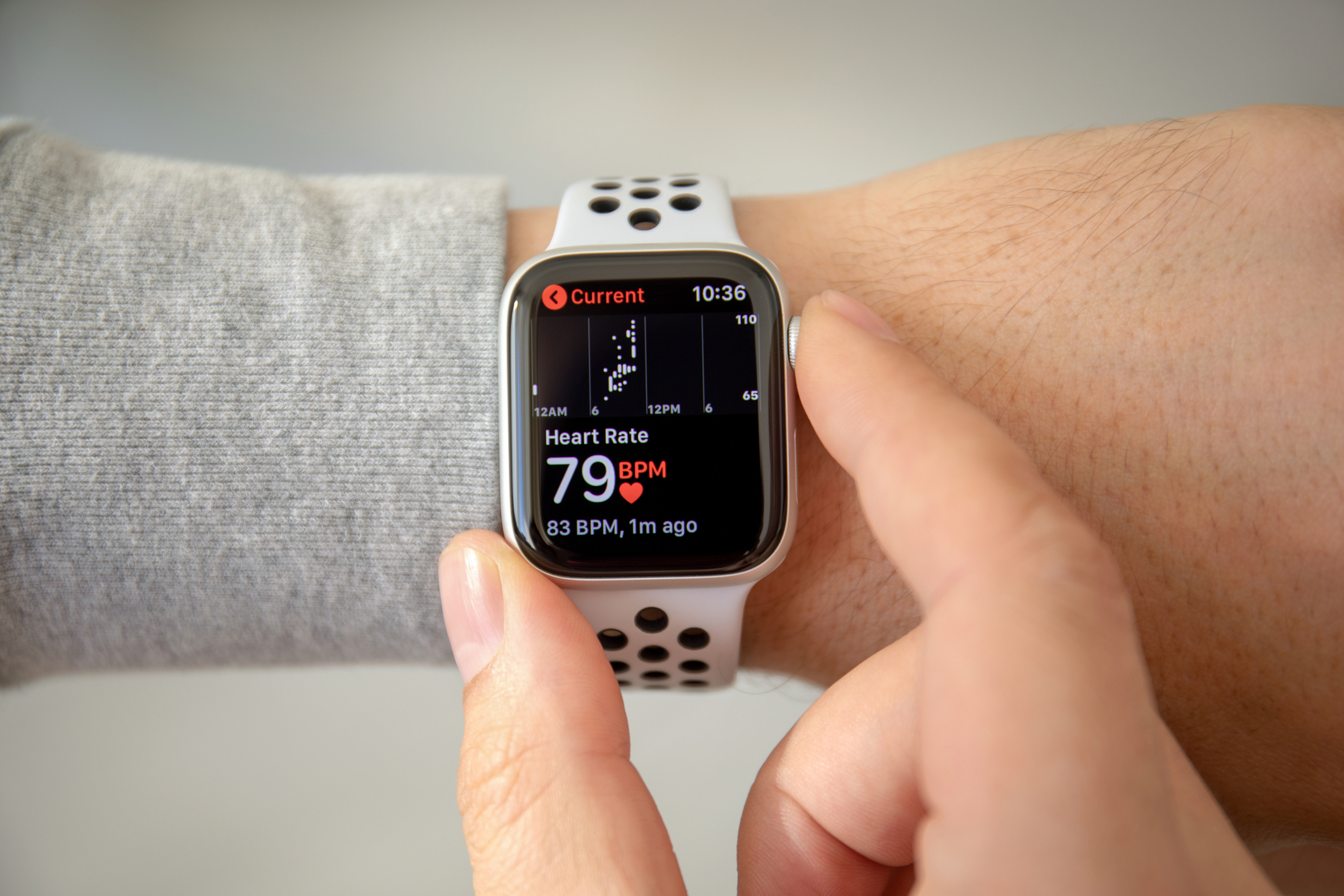
DEAR MAYO CLINIC: When I go for a walk or to the gym, people always seem to be checking their pulse, whether by hand or with a wearable. Why is heart rate so important?
ANSWER: Your heart rate, or pulse, is the number of times your heart beats per minute. Your resting heart rate is when the heart is pumping the lowest amount of blood you need when not exercising. If you’re sitting, lying down, calm, relaxed and not sick, your heart rate is typically between 60 and 100 beats per minute.
Other factors that can affect your heart rate include:
Why your heart rate matters
Cardiovascular exercise, also called cardio or aerobic exercise, keeps you and your heart healthy. This type of exercise gets your heart rate up and your heart beating faster for several minutes. Cardiovascular exercise helps strengthen your heart, allowing it to pump blood more efficiently and improving blood flow to all parts of your body. It also boosts your high-density lipoprotein (HDL), or “good” cholesterol, and lowers your low-density lipoprotein (LDL), or “bad” cholesterol. This may result in less plaque buildup in your arteries.
Abnormal heart rate
If you experience irregular heartbeats, including a racing or slow heartbeat or a fluttering feeling in your chest, you may be experiencing a heart arrhythmia. Heart rhythm or heartbeat problems can occur when the electrical impulses that coordinate your heartbeats don’t work properly, causing your heart to beat too fast, slow or irregularly. Talk with your health care team if you have heart rhythm concerns.
Know your numbers
Many wearable activity trackers can monitor your heart rate when you exercise and periodically throughout the day. If you don’t have an activity tracker, you can use the radial artery in your wrist or the carotid artery in your neck. If you have heart disease or long-standing diabetes, it’s best to use the artery on your wrist.
To find your heart rate manually:
Locate the artery you will use to find your heart rate.
Using the tips of your first two fingers, press lightly over the artery.
Count your heartbeats for 30 seconds and multiply by 2 to find your total beats per minute.
What’s your target heart rate?
Your target heart rate is the rate you need to maintain over a set amount of time to give your heart a good workout. The first step in finding the target heart rate is determining your maximum heart rate.
Your maximum heart rate is 220 minus your age. Your target heart rate for moderate to vigorous exercise is about 50%-85% of your maximum rate.
A general guide for averages by age is:
Giving your heart a good workout
Start slowly. If you’re beginning an exercise program, aim for the lower end of your target heart rate zone and gradually build up intensity. If your heart rate is too high, take it easier. If it’s too low, add some intensity and push yourself to get your heart rate closer to your target.
Try interval training. Interval training, which includes short bursts of 15-60 seconds of higher-intensity exercise, alternated with longer, less strenuous exercise, effectively increases cardiovascular fitness. Talk with your health care team before trying interval training, but it’s typically safe for those with existing heart disease and type 2 diabetes.
Take the “talk test.” If you can carry on a conversation with short sentences while exercising, you’re probably in the moderate intensity range. You’ll be breathing faster, developing a light sweat and feeling some muscle strain. If you’re working at a vigorous intensity, you won’t be able to say more than a few words without catching your breath. If you can sing while working out, you’re probably in the low-intensity range, so step it up.
—Xiaoke (Ken) Liu, M.D., Ph.D., Cardiovascular Medicine, Mayo Clinic Health System, La Crosse, Wisconsin
(Mayo Clinic Q & A is an educational resource and doesn’t replace regular medical care. This Mayo Clinic Q&A represents inquiries this healthcare expert has received from patients. For more information, visit www.mayoclinic.org.)
©2026 Mayo Foundation for Medical Education and Research. All Rights Reserved. Distributed by Tribune Content Agency, LLC.









Comments